
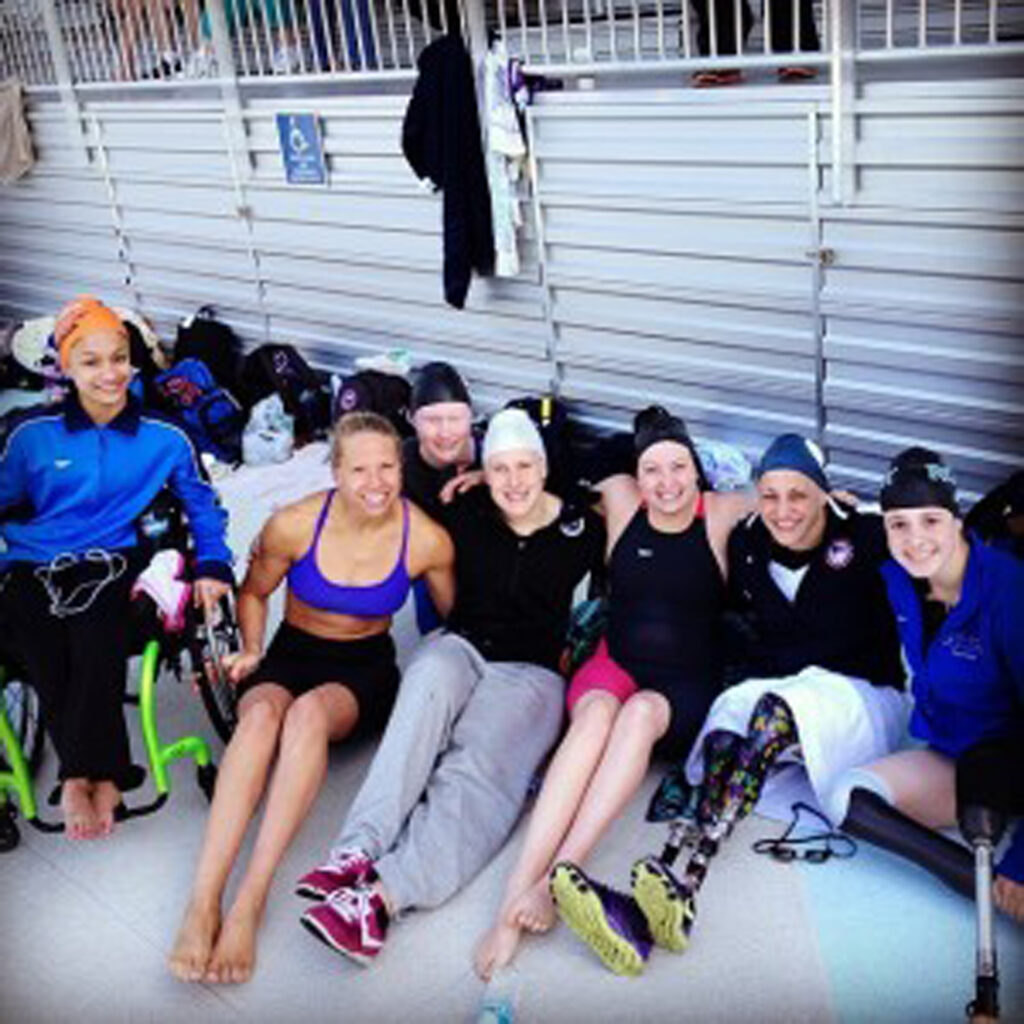
Michelle Konkoly participated in her first Paralympic event back in 2012, and it was then she immediately knew that the world of adaptive sports was for her. “Right then and there, I knew I was where I belonged,” she shares upon recalling her first swim meet at the 2012 Paralympics.
She was initially apprehensive and uncertain of what adaptive sports had to offer. Michelle admits that “the environment was a bit of a shock” when she first passed by many prosthetic legs and guide dogs along the deck. But it did not take long for her to find her place within this community.
“Suddenly, my mild limp actually made me fit in, rather than stand out.”
Her quick integration into adaptive sports was also contributed by the frankness displayed by other para-athletes. Her first conversation with another competitor went like this:
Competitor: Hey, so, what’s wrong with you?
Michelle: Uh, I fell out of a window, broke my back, and have a spinal cord injury.
Competitor: Cool. I lost most of my vision when I was 17. What events are you swimming today?
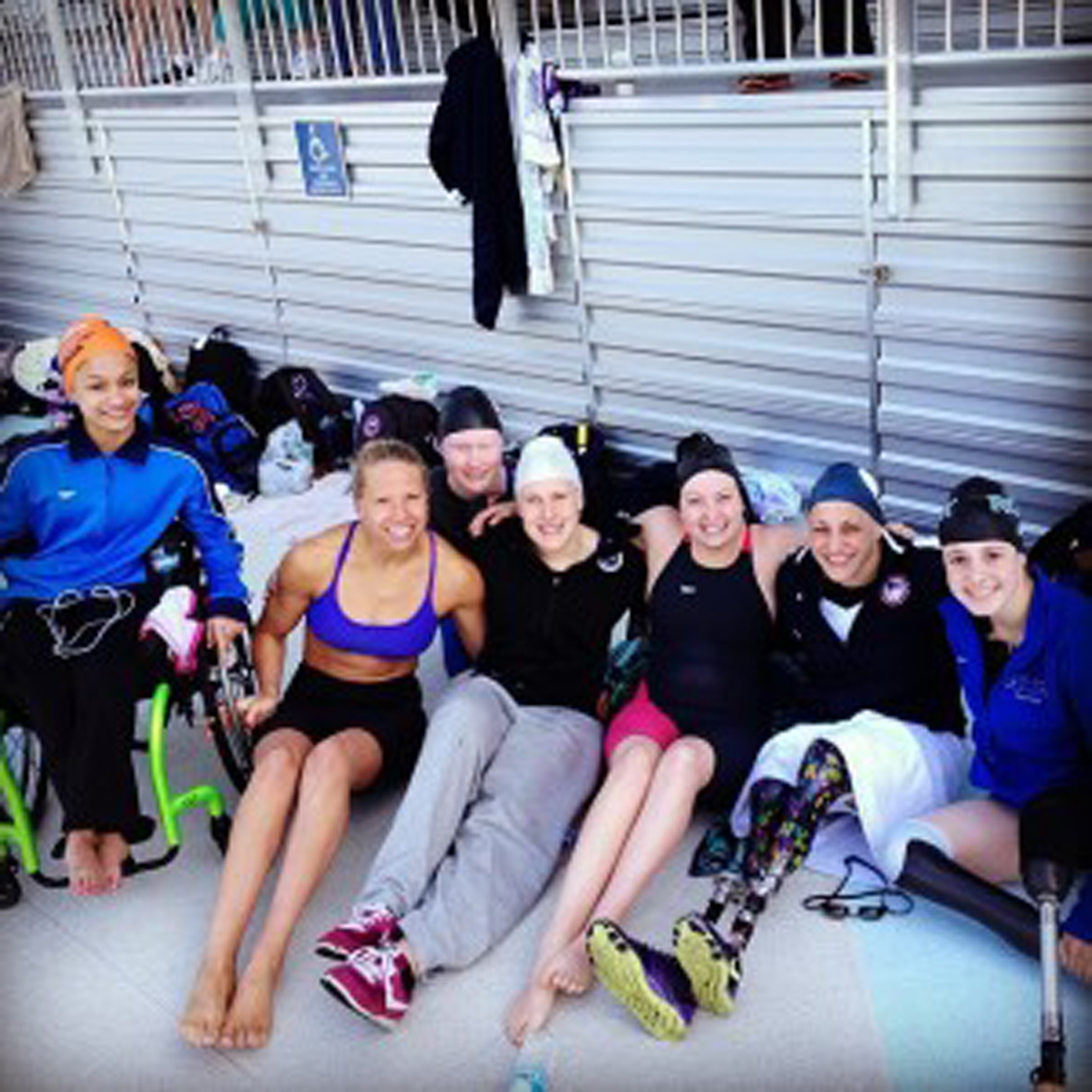
The refreshing bluntness was unlike any conversation Michelle had previously, and this directness enabled Michelle to recognize that her disability was just a small fraction of her identity as a person and as an athlete. And this recognition similarly extended to every individual at the swim meet. Regardless of their physical ability, every person at the event was working towards the same goal: to excel as an athlete.
“Everyone on that pool deck had their own share of struggles and consequently, strengths.”
Knowing where she belonged
But it was winning the race that day, the 50 meter freestyle event, which truly cemented Michelle’s desire to stay in the world of adaptive sports. It boosted her confidence, and she gained an increased appreciation for what her body could achieve. Michelle developed a new attitude towards the strengths of her body, rather than focusing on what she cannot do. And this new approach to recognizing her strength certainly had much to do with the Paralympics. While she unfairly measured her abilities against able-bodied swimmers back in Georgetown, the Paralympics allowed her to gauge her capabilities on “an even playing field.” In addition, “Paralympic swimmers compete in classifications against other athletes with disabilities of similar severity,” Michelle explains. “So what sets the winner apart is [truly] their athletic talent.”
Adaptive sports are not just sports played in a wheelchair. There are many other adaptive sports for all types of interests. “The field, also called para-sports, simply refers to athletic events for people with disabilities,” Michelle explains. And she has definitely found the sport for her, reaping much benefits from it. Not only has adaptive sports helped Michelle grow as an athlete and as a competitor, it has also helped her grow as a person. She has made new friendships and connections with other athletes, but what is even more significant is her personal growth in self-confidence.
“Adaptive sports helped me regain my identity.”
Share this post with someone who is looking for a push to get involved with adaptive sports.