On United Spinal Association’s March 22 Virtual Advocacy Day, 60 attendees held 30 meetings with their Members of Congress. They discussed why increased funding for our Spinal Cord Injury Model Systems is so important.
“It was such a great experience being part of Virtual Advocacy Day,” says Sananda Jones. She’s a member of our Atlanta Chapter, and this was her first time participating in an advocacy event. “Sharing my personal history with the staff members of Congress gave me a greater sense of empowerment.”
New to advocacy? Just do it!
Sananda wasn’t the only new advocate who attended this event. To ease any worries of new attendees, United Spinal held a Virtual Advocacy Day Prep Session for all participants. Our team presented information on all three model systems — SCI, traumatic brain injury and burn. They shared tips on conducting a legislative visit and provided issue papers that gave background information on each model system and the specific requests to our policymakers.
Mitchell Tepper, the President of the United Spinal Association Atlanta Chapter, is no stranger to virtual events like this. His advice for new advocates is, “Just do it! Start with an issue you have personal experience with, and let us know if it’s your first time. United Spinal will partner you with another advocate who can go first and review the ask with the Member of Congress. Then you just have to share your personal story.”
Our stories are powerful
Our Director of Advocacy and Policy, Steve Lieberman, emphasizes that personal stories are “The most valuable currency on Capitol Hill. Members of Congress and their staff can use them in many different ways.” Steve should know. Before he joined United Spinal, he spent 10 years working on the Hill and has been on both sides of the table regarding events such as Virtual Advocacy Day.
To support us, our Congress Members may use our personal stories in speeches to highlight an issue, plan events, or ask questions of witnesses at a Congressional hearing. “Stories make an issue feel more real and personal in an environment that is awash in data points and funding figures,” says Steve. “This is why our community needs to share our stories with our elected officials and their staff to provide the disability perspective that is too often lacking in the halls of power.”
One legislative assistant who attended Virtual Advocacy Day said that personal stories help information stand out in a way that explains why a specific policy or issue is so important. But, of course, she needs more than anecdotes. She receives a flood of information daily and emphasizes the benefits of knowing actional items they can support, what happened to a bill if it was introduced in prior years, why members might vote against it, what it would cost, and how it would affect that specific district.
This is why our Grassroots Advocacy Network is so important and why we strive to continually expand our number of advocates in all 435 districts across the United States. You never know when your personal story can truly make a difference.
Our coalition partners are the best
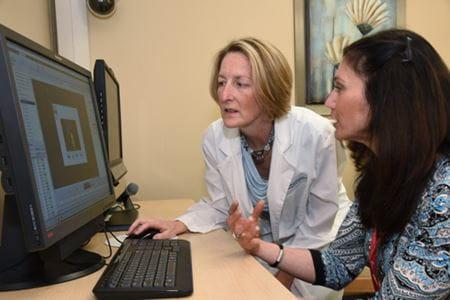
Our coalition partners from the Traumatic Brain Injury and Burn Model Systems joined us for the first time.
“It was exciting to consider the impact and needs of the Model Systems together,” says Dr. Flora Hammond, the Project Director for the Indiana TBI Model System and Chief of Medical Affairs at the Rehabilitation Hospital of Indiana. Our Virtual Day showcased how all the model systems can work together toward a common mission of assisting injured persons’ recovery, rehabilitation, and long-term needs.
We collaborate with our coalition partners at the Model Systems to create awareness and change. These programs and the Model Systems Knowledge Translation Center provide integrated and multidisciplinary rehabilitation care for SCI, TBI and burns. They are funded by the National Institute on Disability, Independent Living, and Rehabilitation Research at the U.S. Department of Health and Human Services.
“The benefits of advocating with all Model Systems are that we represent a larger population and can target more Congressional offices with a louder voice,” says Alexandra Bennewith, United Spinal’s Vice President, Government Relations. Close to 4 million people have spinal cord, burn and traumatic brain injuries across the United States.
Join our grassroots advocacy network
Rebecca MacTaggart, our Government Relations Coordinator, did much of the behind-the-scenes work and planning, which was no small task. “Our team coordinated with our colleagues and advocates to boost United Spinal’s mission,” says Rebecca, whose son is a quadriplegic and college student.
There is still time for you to make a difference. Send a note to your Member of Congress urging them to increase funding for the Model Systems by clicking the button below.
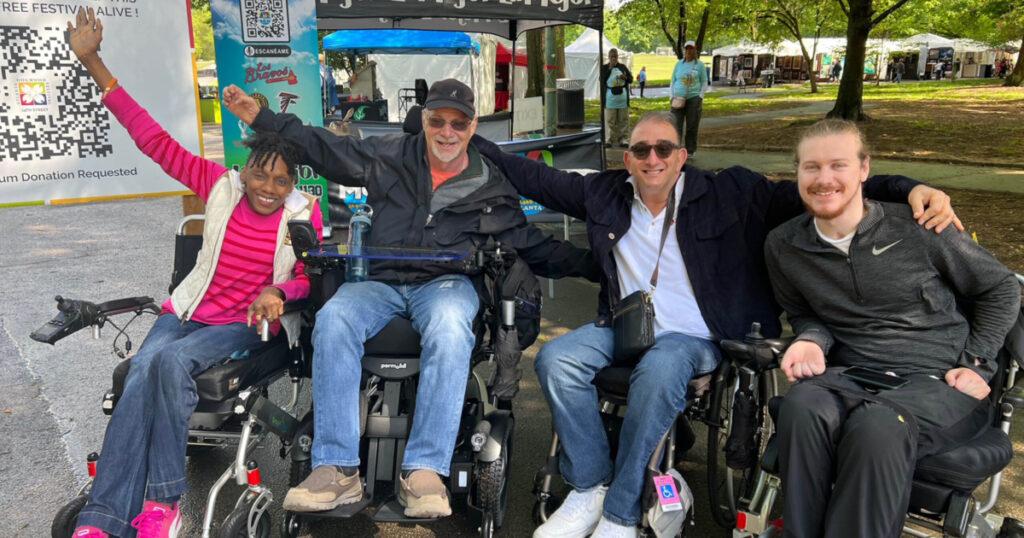
Our top photo shows Atlanta Chapter members Sananda Jones, Dr. Mitch Tepper, Cougar Clifford and United Spinal CEO Vincenzo Piscopo. To join our Grassroots Advocacy Network, fill out the online registration form. You’ll work with other advocates nationwide to drive change and participate in the multiple opportunities offered through our Advocacy Program. Any questions can be sent to the Advocacy and Policy Team at advocacy@unitedspinal.org.