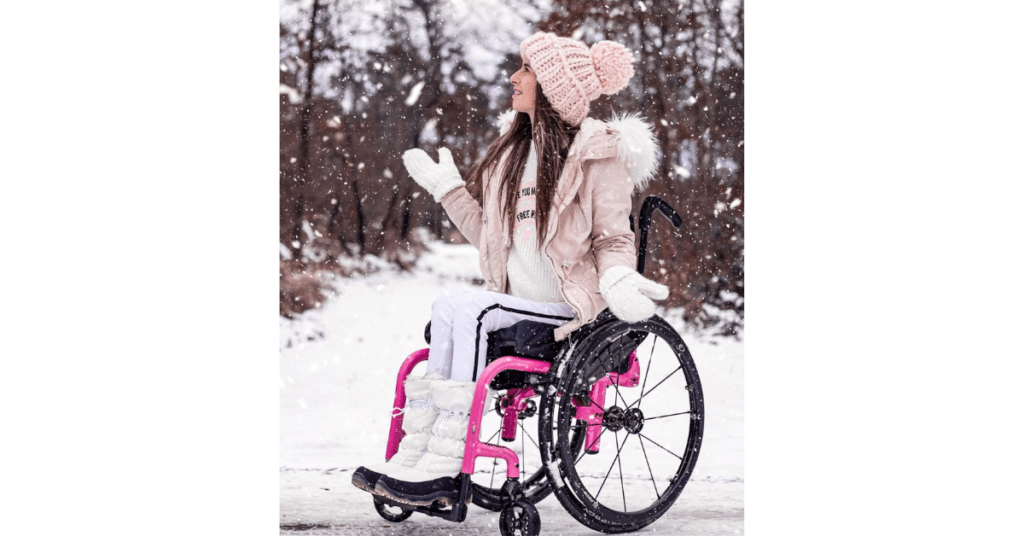

People with physical disabilities such as spinal cord injury and multiple sclerosis often must be extra vigilant during extremely cold weather.
“Winter weather is not universal, and knowing how to take care of yourself and what you need to take care of yourself is not universal either,” says Andy Weyant, an Emergency Preparedness Working Group member from New York.
“Every one of us should know our needs for our specific situation, and if anything goes wrong out of our routine, what we need to do to continue moving forward.”
This is part one in a two-part series on preparing for winter weather. Part one covers keeping your home safe and warm.
Symptoms of Hypothermia and Frostbite
Because of our disabilities, we may be more prone to problems like hypothermia and frostbite.
“Spinal cord injury, particularly above the T6 neurological level, impacts the body’s ability to regulate core body temperature,” explains Jane Wierbicky, RN. She’s an information specialist on United Spinal’s Resource Center team. “The injury to the nervous system affects blood flow, which is important for regulating body temperature.”
Since extremes in environmental temperature can impact your body temperature, Jane says it’s important to be aware of symptoms of hypothermia (low body temperature) and hyperthermia (elevated core temperature) and ways to manage them.
The Centers for Disease Control and Prevention (CDC) provides information on preventing and treating hypothermia and frostbite.
- Hypothermia happens when the body loses heat too quickly. Symptoms include shivering, slurred speech, sluggishness, drowsiness, unusual behavior, confusion, dizziness, and shallow breathing. Remove any wet clothing and use blankets and dry clothing to help keep the person warm. If the body temperature drops below 95 degrees Fahrenheit, it is an emergency and medical intervention is needed immediately.
- Frostbite happens when skin is exposed to extreme cold for too long. It mostly affects extremities like fingers, toes, ears, and parts of the face. The first warning signs are redness and pain. Other symptoms include numbness and skin that looks white or grayish-yellow and can feel hard and numb. Wheelchair users should check for exposed skin often because clothes can easily roll in a wheelchair. Do not rub or massage areas with frostbite, or try warming the area with a heating pad, electric blanket, fire, heat lamp, or stove. Seek medical attention immediately.
- Hydration is especially important during winter because dehydration lets the cold settle in more easily. Skin can dry out from heating and cold temperatures more than in the hot summer. Dehydration can also occur faster in dry climates and higher altitudes.
Recommended Winter Clothing

If you go outside often, choose wool and natural fibers for your winter wardrobe. They hold heat better than acrylic. Layering up with clothes and lap blankets allows you to add or remove garments depending on whether you feel warm or cold.
When you dress in layers, wear loose, lightweight, warm clothing. The trapped air between the layers becomes an insulator. You can easily remove layers to avoid sweating, which can cause the body to feel chilled.
Avoid cotton, as when it gets wet, it stays wet, which can lead to hypothermia. Hikers and other outdoor enthusiasts have a saying about this: Cotton kills.
Remember, your head, feet, and hands lose heat the quickest. Have a hat and scarf available, warm wool socks or knee highs, boots that are lined and waterproof, and thermal gloves underneath mittens. You should have these clothing items readily available at the beginning of winter.
If you must use your hands outside, keep fingertip-less gloves or gloves with thinner material at the fingertips to help keep your hands warm and free for typing or fine motor tasks.
Suggested Winter Weather Gear and Equipment
- Universal design winter boots at Billy Footwear
- Disability clothing for wheelchair users at Rollitex
- Wheelchair winter poncho at MaxiAIDS
- Wheelchair blanket with zipper at Amazon
- Adaptive mittens at Produits Adaptes Handy
- Heated vest at Ororo
- Boot and feet warmers at Hotronic. Always remember to check your skin when using boot or foot warmers.
Tips for Preparing Your Vehicle
Ensuring your vehicle is prepped and ready for the winter weather is extremely important. Winterizing your vehicle by checking the lights, batteries, and gas levels is critical to making sure you have transportation if needed.
Gina Lytle, an advocate from Montana, reminds us that “People have died from running their car when they were stuck in the snow, and their exhaust pipe was blocked.” She suggests keeping a candle and a lighter or matches in your car to provide enough warmth if you are stranded.

She’s onto something. Consumer Affairs also recommends keeping a metal tin, votive candles and matches in your car. In an emergency, a lit candle in a metal tin can keep the car’s cabin from freezing. Gina further warns.
Other suggestions for stocking your vehicle in case you get stranded include:
- Jumper cables and reflective lights
- Tow rope or chains
- Extra windshield washer fluid
- Flashlights
- Snow brush, ice scraper, and shovel
- Cat litter, sand, or rock salt
- Cell phone and portable charger
- Battery powered radio
- Extra blankets, gloves, and winter clothing
- At least 72 hours of medical supplies such as meds, catheters or ostomy-related.
- In rural areas, consider CB/ham radios or satellite-based communication devices as alternatives to mobile phones.
- Water and nonperishable high-energy foods include unsalted and canned nuts, granola bars, raisins, dried fruit, peanut butter, or hard candy.
Don’t Forget to Prep Your Wheelchair
Think of your wheelchair like your car, and ensure everything is tuned up, charged, and ready for navigating through possible snowy and rough terrain. Our Winter Weather Wheelchair Tips blog provides great ideas for prepping your wheelchair.
Wheelchair traction is extremely important, and there are options for quick-mount wheels with snow tires for manual chairs. There is also an inexpensive do-it-yourself project to provide extra traction for most manual chairs and some power chairs. Other things to keep in mind:
- Make sure your power chair battery is fully charged. Extreme cold weather and increased driving load through snow can drain the battery faster than normal use.
- Keep the joystick dry by using a cover or plastic bag.
- Use small battery-operated lights on your chair to ensure motorists can see you if you must navigate around snow-blocked sidewalks. These can be attached to the wheelchair with Velcro, zip ties, or small clamps.
Equipment
Join our Emergency Preparedness Working Group
If you are interested in participating in United Spinal’s Emergency Preparedness Working Group to collaborate with advocates across the United States on emergency preparedness for the SCI/D and wheelchair user community to deal with natural or anthropogenic disasters, please fill out the online form at unitedspinal.org/working-groups/.