
Planning is critical when emergencies or disasters occur. National, state, and local communities must be ready to respond. But gaps remain to ensuring people with disabilities can safely evacuate or have the necessary supplies to shelter-in-place.
Few local agencies and community-based organizations fully understand the challenges faced by individuals with spinal cord injuries or disorders (SCI/D), including critical access to personal assistance and mobility equipment. For more on this, you can refer to “Disaster Preparedness and Response for Persons with Mobility Impairments: Results from the University of Kansas Nobody Left Behind Study” in the Journal of Disability Policy Studies.
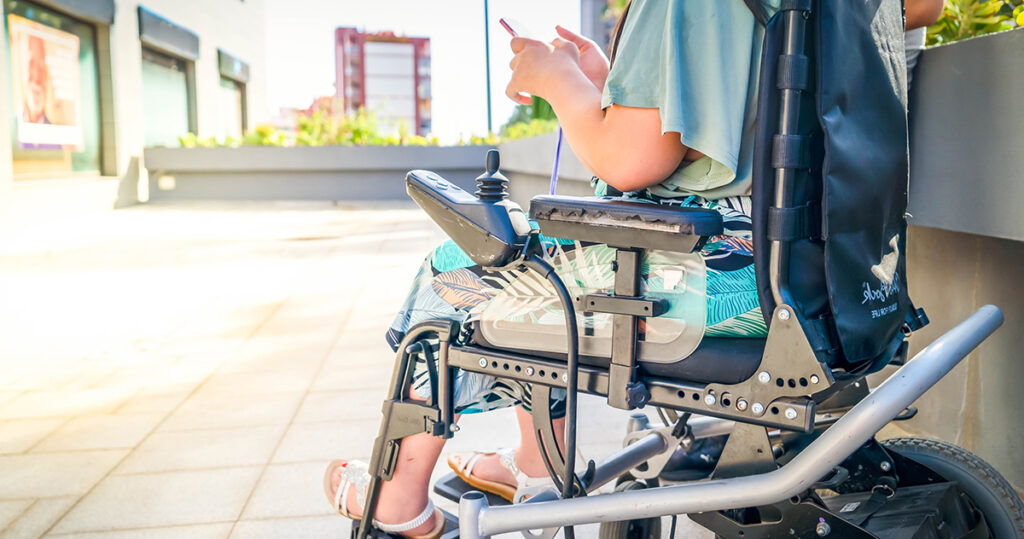
With inadequate planning efforts nationwide, wheelchair users remain at a disadvantage when disasters strike. From inaccessible evacuation routes and lack of adequate transportation options to a shortage of medical supplies, many United Spinal members have experienced these issues firsthand. Some have resorted to rash decisions that could jeopardize their lives.
“It is easier for me to stay at home being paralyzed… it is hard to find accessible rooms when stuff like that [disasters] happens.” said one United Spinal member who sheltered in place during Hurricane Ida.
The member noted the lack of accessible shelters as a deciding factor. He also stressed the difficulties in locating any accessible accommodations in general.
”You could be on the road for 20 hours and still not find a place, which would be worse for me than being at home.”
This story is not unique for individuals with SCI/D. DA, who has lived in Louisiana for years, shared similar challenges as a wheelchair user. She evacuated for Hurricane Gustav in 2008, but her experience was so terrible she said she’d never evacuate again. As a result, during Hurricane Ida, she decided to remain home even though her area was under mandatory evacuation.
In Louisiana, a person who does not comply with a mandatory evacuation waives access to any public services. This may include rescue services or other lifesaving assistance.
DA believed she would be better off staying at home and waived access to services, despite the risks. As a result she was without power for weeks and was continuously experiencing symptoms of autonomic dysreflexia from the heat.
Those that do decide to evacuate are also not free from hardship. For example, KA and his family evacuated during Ida when the storm elevated to a category 4 hurricane and his town turned into a mandatory evacuation zone. He had to scramble as the storm approached to prepare medical equipment and find a place to stay.
“When we found a place to stay, it was accessible, yes and no. There are different forms of accessibility. We could get into the house and everything with the chair, but the bathroom was upstairs with no lift.”
This resulted in challenges meeting his daily hygiene needs. KA has had years of experience with hurricane evacuation, but has yet to find a solution for these evacuation challenges.
These stories from United Spinal members highlight just a small portion of challenges that individuals with SCI/D face during emergencies. Many shelters and alternative housing locations that are available lack accessibility. Due to this, many people with disabilities have a difficult time leaving their homes. Accessible evacuation and sheltering represent only a small fraction of what needs to be done to make preparedness efforts more feasible for the disability community.
Make sure to plan ahead and take the proper precautions by contacting your local emergency management office to express your needs and concerns. Also, you can find local resources and information by visiting https://www.fema.gov/locations. Do the plans include your needs? If not, share your voice for action!