
TJ Griffin became a C5/C6 quadriplegic as a result of a football injury. He says that he could not imagine how he would live life while sitting in a wheelchair. TJ pressed on by setting attainable goals to achieve during his recovery. TJ started a new chapter of his life and continued living.

TJ admits that the only goal that consumed his mind was the idea of walking again. These thoughts of walking only worsened his emotional health. TJ decided to change his focus to something that he could change in the moment.
“However, I realized I had to stop thinking about walking again and just focus on something I could control. Over the next few days I constantly worked on moving my arm, trying to get it to move further and further each day. I noticed my depression was easing up the more progress I had. Learning to focus on short-term goals to reach my long-term goals is what got me through.”
TJ spent two weeks in the ICU and then was transferred to a rehab unit where he continued to set short term goals for himself. TJ seeked guidance from his therapists to set realistic goals and timelines for the six months he stayed in rehab. TJ even posted his goals on his mirror for motivation every morning to remind him what he was working towards.
TJ realized he was not ready for the emotional hard work of rehabilitation. Generally a positive person, TJ says he took to the saying “Fake it till you make it!” which surprisingly seemed to help him.
“The thing that surprised me was I noticed after about 20 minutes of fake smiling and putting on a brave face, I felt better and was in a good mood. So, I guess it’s true you can fake it till you make it.”
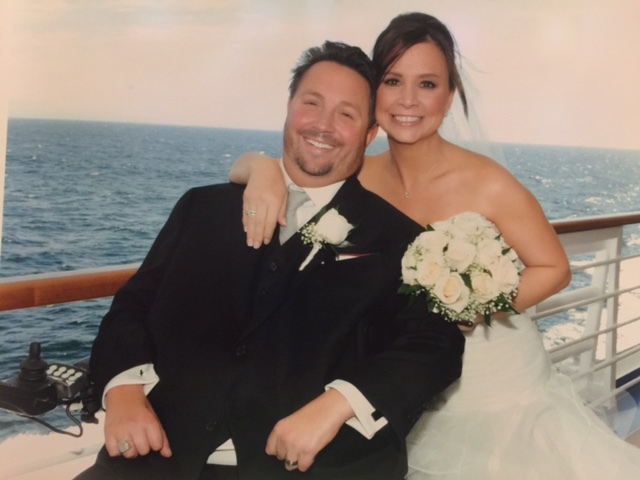
TJ credits his family for helping him get through tough times. They did not treat him any different. There was no pity shown. He said this was more evident in his relationship with his younger brother and sister who still came to him for advice and help on their homework.
By the end of his rehab stay, TJ felt like he was getting comfortable living life with a spinal cord injury. He had learned to create short term goals to meet his long term goals. A proud moment for him was when he set a goal to be able to feed himself independently for Christmas. He worked on mastering a technique using hand splints, and he accomplished his goal by eating his dinner independently on Christmas.
TJ thought he had everything under control, that is until he left rehab and had to return to school. He states that insecurities seemed to flood in as he realized he was the only person who uses a wheelchair in his school. He says his friends gave him some tough love and got him through those insecurities. TJ knew he needed to get out more. He started going to the movies, mall, ball games, anywhere so that he was not sitting in his house.
“I told myself “say YES” if someone asked me to go somewhere; if a person asked, “you doing ok” I said yes. Eventually, I finally came to the realization that the disability didn’t change me and it definitely doesn’t define me.”
“A spinal cord injury is life changing,” says TJ. TJ’s story is proof that one can persevere if they have a positive attitude, set goals, and have a support system to lean on for help when needed.