Power outages are inconvenient for everyone, but for the disability community, they can be a matter of life or death. For people who rely on electricity-dependent medical equipment, generators are crucial for maintaining life support, mobility and overall well-being during power outages.
Types of Home Generators
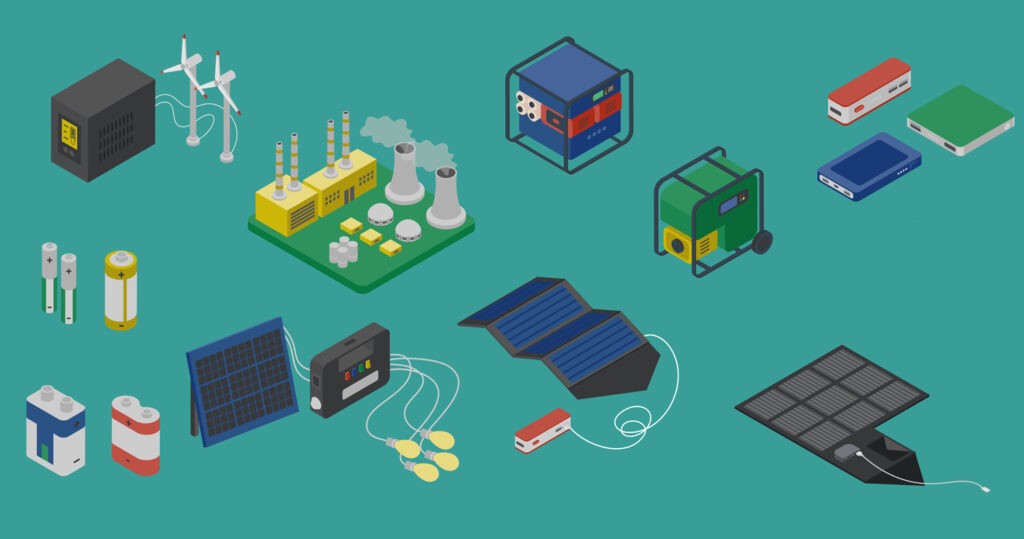
Generators are not one-size-fits-all. JustEnergy provides a description of the options for residential generators.
- Home Standby Generators – Also referred to as whole-house generators, these are the most powerful generators designed to provide power to an entire home. They connect directly to your existing gas line and automatically kick on 10-15 seconds after the power loss. The downside is that they are expensive and require a lot of space to install.
- Portable Generators – These generators are smaller and easier to move, with no need for an expensive installation process. They usually use gas or propane and produce less power than a home standby generator. They’re not as useful in an emergency as a home backup, but they can run things such as the lights during a short-term power outage.
- Inverter Generators – This type of generator cannot be used for large appliances, but it can charge electronic devices like phones and laptops. They are quieter than standard generators, use less fuel, and are available in portable or full-sized units.
“I have a Generac home standby generator, and I cannot say enough good things about it! I no longer have to pick and choose what I need power for. Within seconds of the power going out, the Generac kicks on and I have power to my entire house,” says Annie Streit, United Spinal Association Grassroots Advocacy Manager. “My power wheelchair, bed, and home elevator all require power. Whenever storms come through, I now have peace of mind for that aspect of my emergency preparedness.”
Selecting Your Generator
According to information provided by San Diego Gas & Electric, there are three factors to consider when selecting a generator:
- Energy Requirements – Calculate the “constant wattage” needed to power the appliances you wish to operate. If you plan to run large appliances with motors, you will need a generator with a surge rating that meets or exceeds the higher “start-up wattage.”
- Fuel Source – Some options include battery, natural gas, gasoline, propane, diesel fuel, and solar with backup storage.
- Power Usage – Choose a generator rated for more power than you may need. Some appliances, particularly ones with motors like refrigerators, may use more power when they first start up. Be aware of these energy loads, their startup or ‘in-rush’ power requirement, and the generator’s ability to meet these demands. This is best determined by an electrician.
“I bought a Watt meter, plugged it into the wall, and started plugging appliances into the meter,” says wheelchair user Rolando Garza. He lives in Texas and has experienced power outages that have lasted multiple days. “This told me how much power each device required. I selected the devices I thought I would need and added up their power requirements.”
He decided on a 700-watt generator and a 100-watt solar panel.
“Newer panels do not need direct sunlight. Actually, you do not need the sun at all,” he says. “There are hand-crank units that look like desk hand bike units. So, you could be charging in the dead of night. Solar generators typically run about a dollar per watt,” he says. He paid more for a solar generator so he doesn’t have to fuss with fuel, fumes, noise, or oil changes. Also, there’s no need to keep it outside.
Finding the Right Fuel
When selecting a generator, consider the type of fuel it needs. Storage and availability are also important factors to consider. The fuel source should be affordable for you and available whenever you need it. The Home Depot Generator Buying Guide describes the common types of generator fuel:
Gasoline
- Readily available and easy to purchase, making it a good choice for portable generators.
- Available in 2-to-5-gallon portable cans.
- Lasts for three to 6 months when stored properly in an airtight container.
- Lasts for up to three years when properly stored and combined with a fuel stabilizer.
- Gasoline generators should only be used outdoors.
Diesel
- Offers the most energy per gallon of all generator fuel types.
- Reliable and readily available, it’s a good choice for both home standby generators and commercial generators.
- Diesel generators perform best when used for large jobs over extended periods.
- It should only be used outdoors.
- Lasts for six months to a year when properly stored and without added stabilizers.
Natural Gas
- Most cost-effective and readily available fuels for home standby generators.
- Less energy-efficient per gallon than diesel, gasoline, and propane.
- Delivered through natural gas pipelines, so refueling is not necessary. No storage required, making it the most convenient choice for residential and commercial generators.
- It should never be used indoors.
- Supply is usually not affected by power outages.
Propane
- Available as liquid propane or vapor propane
- Liquid propane does not deteriorate, so it can be stored for a long time.
- Clean burning
- It should never be used indoors
- Commonly used in inverter generators for RVs, campers, and food trucks.
Dual Fuel
- A generator that can burn gasoline/diesel and has a natural gas hookup.
- Dual-fuel generators are not for use indoors.
- Not a standard type of generator, so not all manufacturers offer dual-fuel models.
Solar
- Clean, renewable energy for portable generators.
- Can often install more solar panels to increase power output.
- It can safely run indoors, as there are no emissions.
- Lower power output than other types of generators.
Battery
- Used in battery-powered inverter generators.
- Often combined with solar generators.
- Quiet and safe to run indoors.
- Often take a long time to charge and have a lower power output than other types of generators.
Generator Safety
Generators can also be extremely dangerous if not used correctly. It is important to stay vigilant of hazards such as carbon monoxide poisoning, fire and electrocution. One of the first steps to generator safety is reading the manufacturer’s instructions for your specific generator.
FEMA also provides a list of safety tips for generator use.
Carbon Monoxide Poisoning
- Carbon monoxide is completely colorless and odorless, so installing a battery-powered carbon monoxide alarm in your home is necessary to detect this extremely deadly gas.
- Do not operate near open doors and windows. Using fans will not prevent carbon monoxide build-up in the home.
- A generator should have 3 to 4 feet of clearance on all sides and above it to ensure there is proper ventilation.
- Symptoms of CO poisoning include dizziness, headaches, nausea, or tiredness. If you are experiencing any of these, get to fresh air immediately, seek medical attention, and do not re-enter the area until it is determined to be safe.
Fire
- Keep your generator and generator fuel outside.
- Do not store fuel anywhere near a fuel-burning appliance.
- If a fuel container is not sealed correctly or spills, the fuel vapors can be ignited by a pilot light or arcs from an electric switch.
- When a generator needs to be refueled, turn it off to allow it to cool down.
- Do not run electric cords under carpets or rugs.
Electrocution
- Always use heavy-duty electrical cords when connecting the generator to appliances.
- Ensure the electric cord has no cuts, tears, or exposed wires and is properly grounded.
- Be careful hooking up your generator directly to your home power supply. There is a possibility that it can increase the voltage and cause a power surge to outside power lines, which could electrocute a utility lineman. It also may bypass the built-in circuit protection devices in your house.
- Keep the generator dry and avoid using it in rain or wet conditions. If necessary, use a canopy to protect the generator.
- Turn off the generator and do not use any electrical equipment if you smell a strange odor or see smoke.
It’s also a good idea to run your generator periodically and use an approved fuel stabilizer to treat the fuel, so it doesn’t deteriorate while stored.
Government Funding for Generators
While Medicare covers a wide range of healthcare equipment, it generally does not cover the cost of purchasing or installing a home generator. Medicaid Waivers for Home and Community-Based Services might cover generator installation if a case manager determines it is medically necessary for the individual’s health and safety. However, the specific coverage and eligibility vary by state.
Ken Ryno was able to get the cost of getting a propane standby generator for his home covered through the Pennsylvania Assistive Technology Foundation. In his state, the generator falls under the Assistive Technology category because it is used for the type of electrical needs required to sustain life for people with disabilities.
This includes equipment like power wheelchairs, patient lifts, hospital beds, ventilators, and computers that operate the house by voice commands.
Ken shares the following steps he took to go through this process.
- Check your Managed Care Plan/Waiver Programs.
- Speak with your service coordinator about the possibility of a backup generator.
- A service coordinator will contact an OT or PT to assess your home for all of your essential electrical equipment that is mandatory in case of a power loss.
- They may send out another OT or PT to confirm your needs.
- Do not be afraid to note the smallest things you use to make life possible, specifically tailored to your needs for your quality of life.
- The service coordinator writes a recommendation to fulfill all your needs, including completing medical tasks and activities of daily living.
- Depending on your state, the service coordinator will send out the recommended quotes.
- Electrical companies will typically submit their quotes to three different vendors, but this varies by state.
- The winning bidder will come out and draw up the project’s schematics for you and the service coordinator to review.
- Once approved, the company will contact you for installation.
- You buy the propane tank, which is included in the final bid, along with a full tank of propane when it is installed.
- After that, you have to find a local propane supplier. They will come out and do a safety check on the equipment, and if propane is needed, they will top off the tank. You are responsible for the cost of the propane.
“Please be patient, as it is a slow process,” says Ken. But it’s worth it. “Believe me when it does happen, and if that power goes out, you will lose power for only a few seconds. The generator also does a self-check once a week.”
How About a Tax Credit?
As of 2024, there is no specific tax credit available for installing this type of generator. Although Canter Power Systems lists specific situations where you may be able to claim a deduction or receive a tax credit for a backup generator.
- Home Offices – If you work out of your home and use your whole-home generator to ensure your files are backed up or to keep your systems running, you may be able to deduct a portion of its purchase price and its operating costs from your tax return.
- Medical Equipment – If you install a whole-house generator for medical necessity, you may be able to deduct it as a qualified medical expense. This requires detailed records that outline the cost of purchasing the generator and the amount spent on operating it.
- Renewable Energy – If you’re installing a system with solar panels, then you may be eligible for federal tax credits under the Residential Energy Efficient Property Credit.
- Disaster Loss Deductions – If you are using a home generator as a source of backup power during disasters and outages, you may be able to claim a tax deduction for the cost of the generator and a percentage of operating costs. Make sure that your generator is used exclusively for backup power during outages and other natural disasters. If you itemize your deductions, you will be able to deduct the cost of the generator as a loss on Schedule A if it was damaged or destroyed in a federally declared disaster.
It’s best to check with your tax professional because, besides possible savings on your federal taxes, there may be other savings opportunities specific to your state.
Key Takeaways to Consider
- Cost – Generators can be very expensive, especially whole-house power generators.
- Complexity – You need to operate portable gas generators and store fuel outdoors, which can be challenging to manage safely and effectively.
- Accessibility – Most generators are not designed for easy use, which can make them extremely difficult for people with limited mobility.
“I do not have the mobility to operate a portable generator because of my spinal cord injury,” says Annie. “Set up emergency preparedness plans with your friends, family, and neighbors before any type of emergency where your generator is needed takes place.”
Resources
- Carbon Monoxide Poisoning Basics
- FEMA Accessible: CDC Carbon Monoxide Poisoning
- Emergency Power Planning for People Who Use Electricity and Battery-Dependent Assistive Technology and Medical Devices
- Generator Buying Guide
- The Home Generator Buyer’s Guide: Types, Price, Fuel Sources, and More
- Understanding Tax Credits & Deductions For Standby Generators
- Your Power Just Went Out. Now What?
- Ready to Roll Emergency Preparedness Program
United Spinal’s Emergency Preparedness Working Group collaborates with advocates across the United States on emergency preparedness for wheelchair users.