

United Spinal Association understands that wellness means more than physical health. We dedicated a portion of our #Strongwheeled Together campaign to sharing coping resources and breaking down mental health stigma.
Greater Boston Chapter member Michaela Devins crafted post-injury coping resources for us. Here are excerpts from two of those articles, followed by a United On Wheels podcast about coping and mental health:
 PTSD and Spinal Cord Injury
Acquiring a disability, especially one like a spinal cord injury, can be traumatic. The injury itself, plus the resulting threat to health and life, months spent in hospitals, loss of function and sometimes even the sense of self can all add up and take a significant toll on mental health and wellness.
Care and support from loved ones, faith and spirituality, financial security, and good health insurance might ease psychological and emotional pain. For me, all these things were not enough to prevent anxiety, depression, and suicidality. However, over time and with continued support, I experienced post-traumatic growth. I found strength, built deeper, closer relationships, sought new opportunities, and experienced personal meaning from my trauma.
 Don’t Let a Bad Experience Keep You from Tapping into the Benefits of Therapy
As I finally emerged from the twilight of propofol, I could not fathom the immensity of what had happened to me. It was surreal and nightmarish.
Shock and disbelief gave way to constant tears mixed with numbness. I felt hopeless, unmotivated, and devastated. The nursing staff at the rehab hospital noticed. As a result, I found myself in “optional” but strongly-suggested weekly appointments with the mental health counselor and a prescription for antidepressants.
Besides two very brief visits to the student counseling center in college, this was the first time I had ever been in therapy. And I was not impressed.
United on Wheels Podcast: Mental Health & Disability with Michaela Devins
Devins appeared on the United on Wheels Podcast to share her struggles with mental health following her spinal cord injury.
Mental Health Webinar: A Candid Conversation From Both Sides of the Chair
Mental health professionals living with mobility disabilities who have a career within the mental health profession share how mental health impacted them both personally and professionally.
Mental Health Resources for Veterans
VetsFirst, a program of United Spinal Association hosted a webinar to explore the various mental health resources available to veterans. VA has a variety of mental health resources, information, treatment options, and more — all accessible to veterans, and those family members, caregivers, individuals, and/or organizations who support and advocate for them.
Coping Resources from New Mobility
Our membership magazine, New Mobility, publishes content by wheelchair users who explore all aspects of life. Its Coping category includes articles about the powerful emotions stirred up by living with a disability. Here are a few excerpts:
 “Doing Life” and Pushing Beyond Fear
My injury was easily the most disorienting thing I’ve ever experienced. It was as if a curtain had been raised, showing an entirely new spectrum of danger that I never knew was there. Hell, during that time, I didn’t even look in the mirror or allow people to take photos of me because I was terrified of facing the reality of my new life. …
What I discovered during that slow evolution from depressed shut-in to experienced traveler and advocate is that doing life post-SCI requires a learned fearlessness. It’s only by exposing ourselves to our fears, whether they are perceived or legitimate threats, that we find ways to move beyond them and unlock our full potential. It is our willingness to push past our limitations that helps us find rich and meaningful lives.
— Kenny Salvini
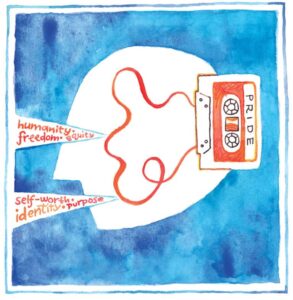 Self-Worth and Shame: Perspectives from Three Wheelchair Users
Growing up I always knew that I was Black, but I also always knew that I was Disabled. Inaccessible playgrounds, inability to go to other people’s houses and always having everything centered around physical therapists doing painful therapy and going to see doctors, I was always reminded that I didn’t fit in. I never really saw positive images of disabled people and never knew that there was anything outside of constantly being told, either implicitly or explicitly, that I was a problem. …
Now that I am an adult working in the field of equity, I understand that ableism is deeply rooted in this country. I’m also of the tradition that knowing history matters. You cannot dismantle what you do not fully understand.
— Luticha Doucette
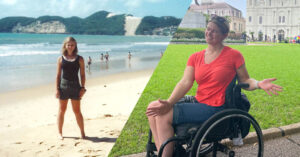 My Disability Half-Life
What if we dare to believe that exactly how we are, right now in this moment, is the only possible version of a human being that we could ever possibly have been? And the best? What if, in looking back, it is only to celebrate the countless moments and experiences that did exactly what they were supposed to do in making us into the complex human that we are in this instant?
Everything we have lived — survived — is ours. No more lamenting the building blocks of our personal humanity. Instead, celebrate. Give credit. Honor yourself.
— Regan Linton
Visit the United Spinal Association blog and New Mobility magazine regularly for more coping resources. Please contact United Spinal Association’s Community Support team for more information or assistance. Join our community by signing up for a free membership. To support our mission, donate here.