
What is it like to parent a child with a disability? Four mothers who have children with varying disabilities share their stories. The discussion topics range from diagnosis to advice for other mothers in similar situations.
Diagnosis and Advice
All four mothers express a common theme surrounding their child’s diagnosis, and that is one of uncertainty.
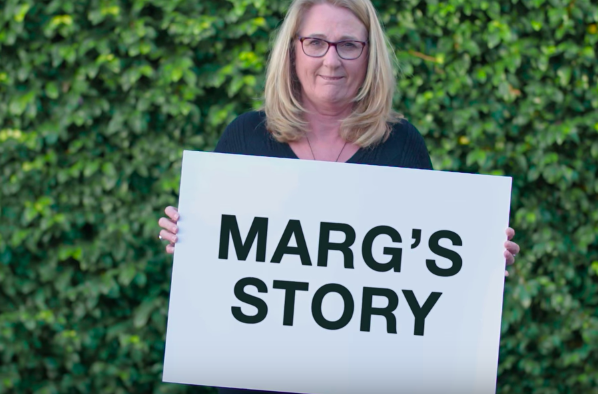
Marg has a 18 year old son named Jack. Jack was born premature and he had to spend a month in the hospital after his birth. Marg recalls that her son was poked and prodded as he went through many interventions. She states that doctors told her many different things regarding her son’s health, lots of maybes with not really many facts.
“It was very challenging to deal with the whole medical invasion.”
Marg’s advice for mothers who have children with disabilities is to learn while taking a step back to love your child unconditionally.
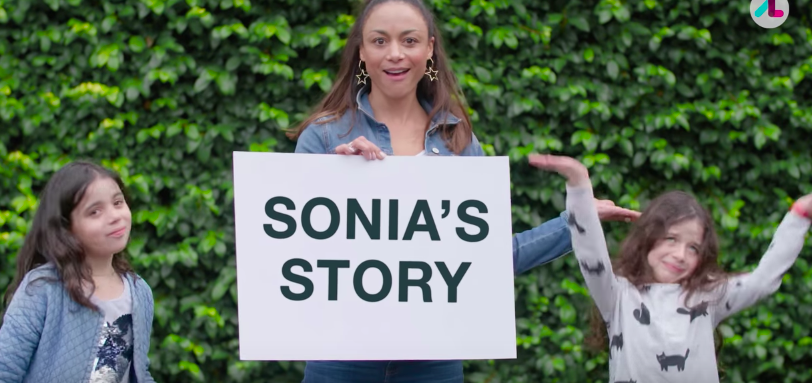
Sonia has 8-year-old twin girls named Thandie and Inez. Sonia says it was about two years ago that she realized differences in Inez’s behavior. Sonia brought her concerns to Inez’s doctor’s attention only for them to be brushed aside, she says, and told that her daughter is just ‘going through a phase.’ Sonia had a mother’s intuition. She took her daughter to a private doctor for a second opinion. Inez was diagnosed with Asperger’s syndrome.
“But as a parent you know. We finally went private and got a diagnosis of Asperger’s, or high functioning autism, but then was sent away with no road map.”
Sonia’s advice for mothers who have children with disabilities is to develop close relationships with other mothers that you can lean on when times get tough.
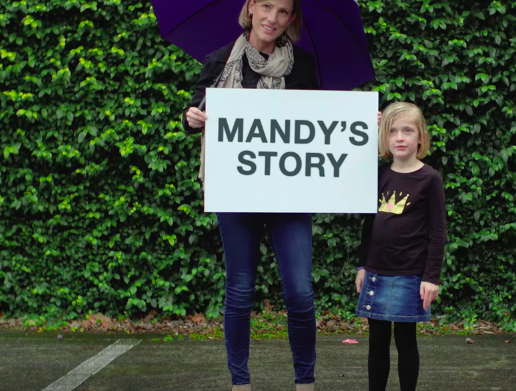
Mandy has a 6-year-old daughter named Maia. Mandy says that her daughter did not hit the normal childhood milestones. Maia did not crawl and took her first steps at age two. Mandy decided to do a genetics test on her daughter. The test results came back that Maia had a gene triplication. The news about her daughter was quite worrisome for Mandy. She was not sure what Maia’s future was going to look like.
“We hadn’t got other children to compare her to, there’s nobody like her.”
Mandy’s advice for mothers who have children with disabilities is to not beat yourself up about it because it is no one’s fault. For some encouragement, she shares that Maia is surpassing Mandy’s expectations for her at 6 years old.
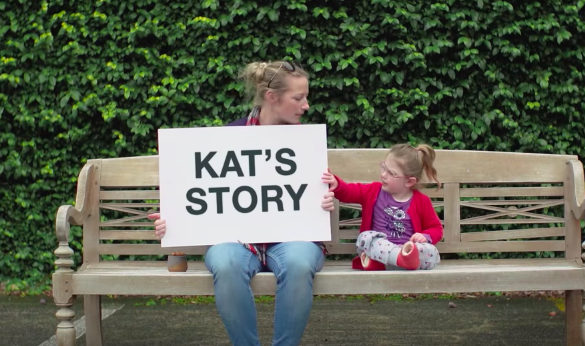
Kat has a 4-year-old daughter named Ella. Ella was born at twenty five weeks, and had an excessive brain bleed at birth. Kat admits that it took her a few hours to come to terms with reality, and was not until she left her daughter in the NICU that she felt immense grief.
“When I went back to her bed space and just saw her lying there, it didn’t matter if she had a disability or if she had challenges in her life, we just moved on actually.”
Kat’s advice for mothers who have children who have disabilities is it is okay to not be prepared and just take life as it comes.
Some key aspects that these mothers have learned by raising a child with a disability is to be your child’s advocate, avoid using labels, form a support group, and love your child unconditionally.
Check out the full video!
Be sure to share this post!