
A new change is upon the fashion world. Led by the collaboration between Runway of Dreams and Tommy Hilfiger, a line of adaptive clothing for children is being introduced in mainstream fashion.
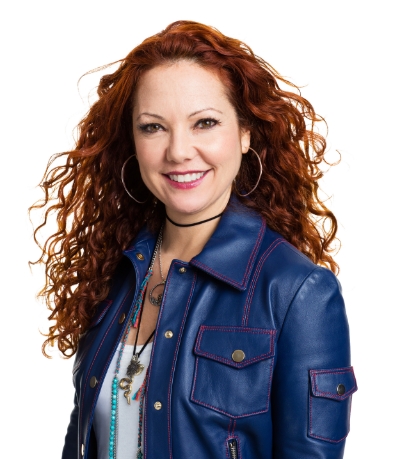
Mindy Scheier, the founder of Runway of Dreams, developed this idea from her experience with her son, Oliver. 8-year-old Oliver wanted to dress like his peers, but his muscular dystrophy made independent dressing a challenge, preventing him from zipping or fastening buttons. Hence, Runway of Dreams’ main mission is to make fashion inclusive, ensuring that people of all abilities are able to dress independently and fashionably.
Now, three years since their inception, Runway of Dreams has collaborated with Tommy Hilfiger to launch an adaptive clothing line for children for public consumers. The collection has pieces for both boys and girls. What is even more exciting is that these pieces cost the same as Tommy Hilfiger’s existing children’s line, and this sends a huge message that adaptive clothing is similarly achievable as regular clothing.
The role of clothing
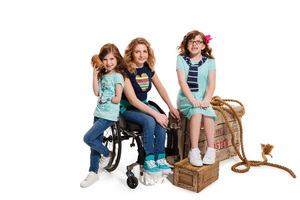
Clothing represents part of your identity, so it’s essential that everybody has the fashion options to do so. Sometimes, clothes also have an impact on your attitude. “I know when I get dressed in the morning certain outfits make me feel great and put a little spring in my step for the rest of the day,” shares Mindy. “If you don’t have that ability to have options in your clothing whether that is the notion of being self-dressed or having to be dressed, that simple feeling of feeling good about how you look really has a direct effect on your confidence.”
Yet, fashion has not been hugely catered to people with disabilities thus far. There are clothes designed for people of different sexes, different sizes, and even for animals – a fact that people laugh at when Mindy brings it up.
“[The laughter], I love, because that’s usually the response I get when I put it into that perspective, that we have clothing departments for dogs and cats but we don’t have it for this population is laughable.”
There are also obstacles in the way of making fashion available for people of all abilities. For instance, the wide demographic of the disabled community remains unknown to the fashion industry. Additionally, there are various stigma attached to people with disabilities, including the assumption that they are not concerned with their appearances, and thus, are unwilling to invest in clothes.
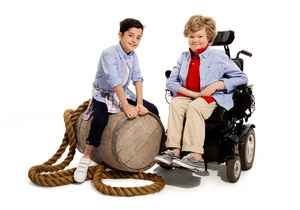
Therefore, Runway of Dreams is certainly working on bringing fashion to the forefront for the disability community. “The last census report I read said that almost 73 million people in the United States alone that have a disability have not been serviced by the fashion industry,” shares Mindy, who also voices her optimism towards the changes being made in the fashion world. “How amazing is it that we are on the brink of complete inclusion by an industry? What an incredible thing we are all about to be a part of.” Regardless of gender, age, or socioeconomic status, “there should be adaptive versions of clothing for everybody,” and that is what Runway of Dreams strives to accomplish.
So far, responses towards this movement have been extremely positive, especially from the disabled community. In fact, “we have gotten as far as we’ve gotten because of the community,” Mindy shares. The community has been incredibly helpful in their suggestions, and modifications made to the clothing line have been made because of these recommendations. The support that Runway of Dreams has garnered continues to motivate them to make adaptive fashion “the new normal” in the fashion industry.
“My dream is for everyone to have clothing choices no matter what their ability is. Together [with the disabled community] we need to show that we are an important demographic that needs to be included in this industry. We are not going to stop until it happens.”
Share this post with your friends to encourage them to check out and support this new wave of fashion!