
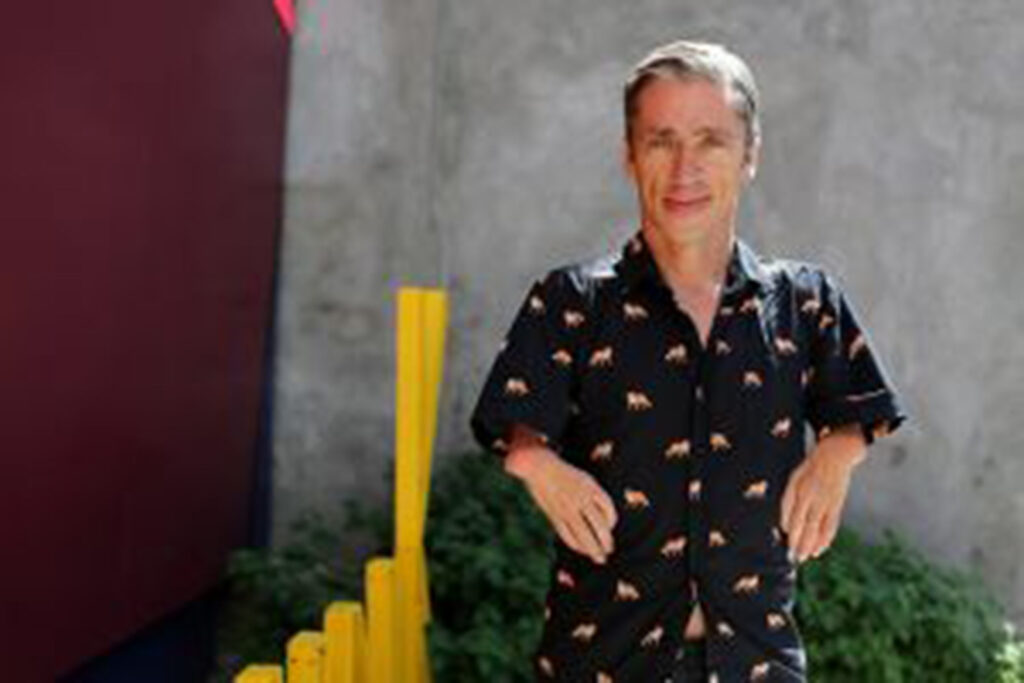
“I like my body. I was born with this body. So I ain’t got no grief or anger about that. What I’m angry about is the fact that I’m not treated as an equal. And I want to just show that in art.”

American Horror Story: Freak Show, which aired in 2014, not only portrayed characters with disabilities on screen, it also employed actors with disabilities in these roles. The casting of actors with disabilities induced conversations regarding rights, equality, and representations of disabilities in the media industry.
One of the actors casted was Mat Fraser. Mat was born with phocomelia, a condition that left him with short arms and no thumbs. A vocal and politically radical media personality, Mat began his acting career when he was 35 years old. He admits that he was discouraged from the thought of acting when he was slighted back in high school by a crush when he auditioned for a school play. When he was in his 30s, his interest in acting reignited when he watched Ubu Roi by the Grææ Theatre Company.
“I was blown away by watching all of these disabled people onstage. I thought: ‘No, this is what I want to do.’”
Representation in the industry
Inclusion and representations in theatre was different from mainstream media, like the TV or radio, as Mat observed. In theatre, they had an avenue for “disability arts,” as they call it, where there were support systems within the theatre group and with outsider groups. Mainstream media was more challenging. Mat comments that the generation before him was not actively fighting for such equality and opportunities for people with disabilities in the mainstream media.
Yet, the cultural impact of mainstream media is influential. The inclusion of actors with disabilities in shows such as American Horror Story: Freak Show has helped to shape perceptions of people with disabilities. Mat shares that his able-bodied viewers can now see him, and others with disabilities, as no different from themselves. For instance, Mat was portrayed as a lover, and viewers now see people with disabilities “in a world that could include romantic stuff.” Mat appeals to anyone who has an interest in the industry, be it acting, production or editing, to develop them. This way, moving forward, there will be more inclusion and opportunities of representing disabilities in media. Ultimately, Mat’s perception on the future of media representations on disabilities may best be summed up with this statement:
“I want to make the art that life will imitate.”
Share this post with someone who has an interest in the media industry to give them a little push in helping to shape the future of media representations.