
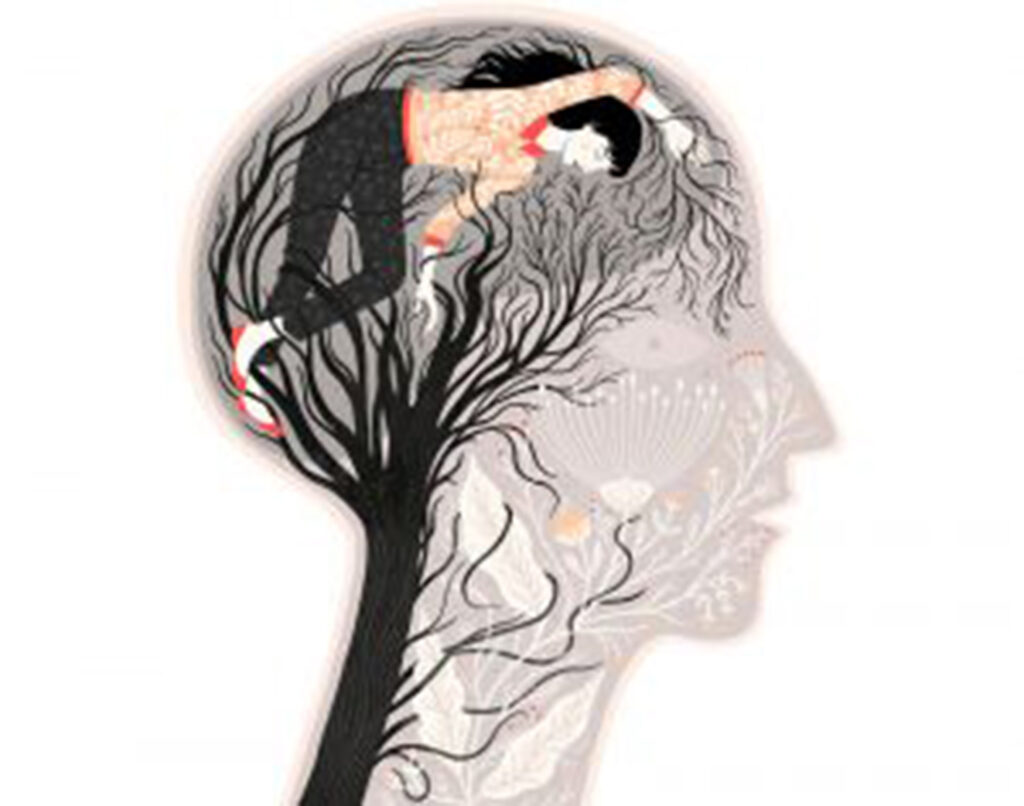
“I am feeling strange. My brain is in a weird state right now — a combination of short brain games and lack of memory. While taking on the concept of a brain game earlier today, I suffered a memory overhaul. Now I can’t say what I want to say or remember what I want to remember. It’s just a weird situation.”
This was what 33-year-old Christine Lee wrote on her blog on the night she experienced a stroke. On New Year’s Eve, 2006, Christine suffered a left thalamic stroke, caused by a clot that blocked a part of her left brain. She did not display the classic symptoms of a stroke, such as her face drooping on one side or slurred speech. She describes the sensation like she “was separating from [her]self.” She was still able to talk and move. Her friends who saw her since commented that she did not look any different.
However, as the clot prevented the messages from the right side of the brain from communicating with the left, Christine could not recognize numbers or objects. To her, things were just shapes and colors without names. She also recalls being unable to voice out her thoughts.
“I had lost my words. I was unable to say, ‘I am trapped in my brain’, or, ‘My memories are mixing with imagination.’”
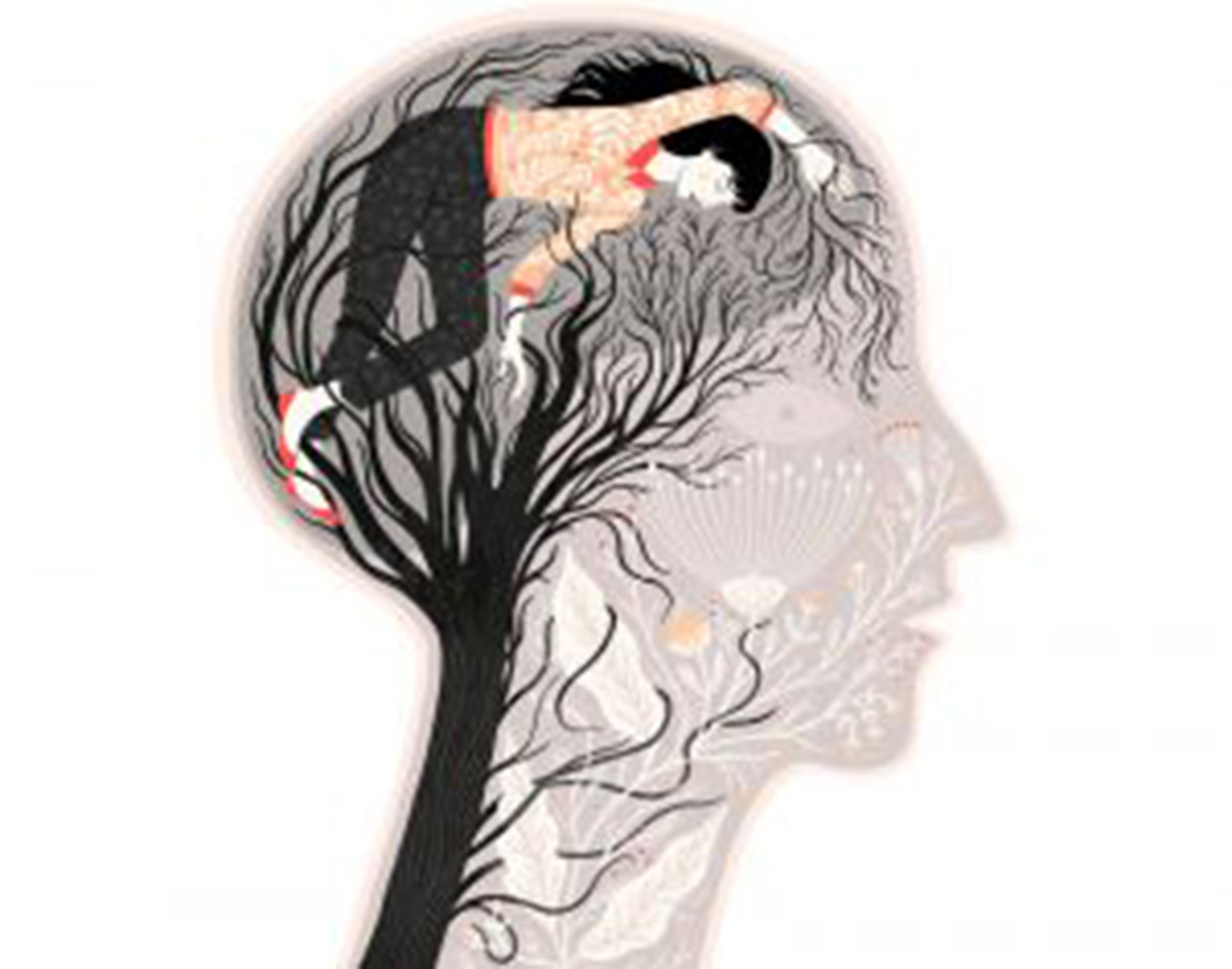
Two days after her stroke, Christine decided that she needed to go to the hospital. After her MRI scan, the neurologist informed her of her stroke, which contributed to her short-term memory issues. Christine took to journal writing to record down events and details of her life, such as her room number in the stroke unit or her neuropsychiatrist’s visits.
Another effect of the stroke was the sleep. Her brain constantly felt like shutting down and she always felt exhausted.
When she was discharged, she was prescribed blood thinners which were administered with the help of her then-husband, and she had to go for regular blood tests. After a couple of months, the hole in her heart, which caused the clot to travel to her thalamus, was closed. Christine no longer experiences migraines nor extreme light-headedness. “In this sense, the stroke saved my life,” she says.
Christine made progress during her recovery by being able to read longer texts gradually. She also continued to write in her journal and blogged. Christine got to know new friends through an anonymous blog she set up which detailed her stroke recovery as a writer. She also connected with old friends and former professors who excited happiness and laughter in her. One friend, who had undergone knee replacement surgery, told Christine to “seek lessons throughout your recovery process”, and reminded her to “find meaning.”
With this new attitude to guide her, Christine re-enrolled in her MFA program and finished up her thesis and semester. She also started to exercise, engaging in activities such as running and yoga, and these helped to heal other parts of her body. Writing has helped Christine find meaning in her life. Christine is able to write by fitting together the pieces of her story, from her childhood memories to her journal entries.
“I learned stories and memories are pieces of a puzzle, pieced together most likely by the thalamus. This means I couldn’t lie. Because I couldn’t lie, I couldn’t write fiction. But later, knowing this is how stories are told – knowing firsthand that stories are segments woven together – helps. It helps.”
Do you know of anyone who has had a stroke at a young age as well? Share this post with them to show that it is possible to find meaning in life.