
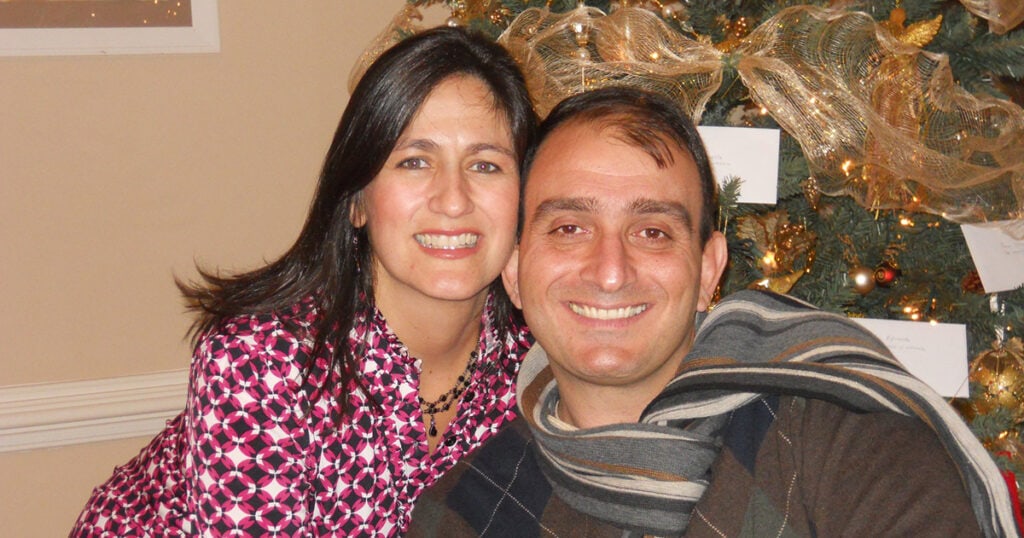
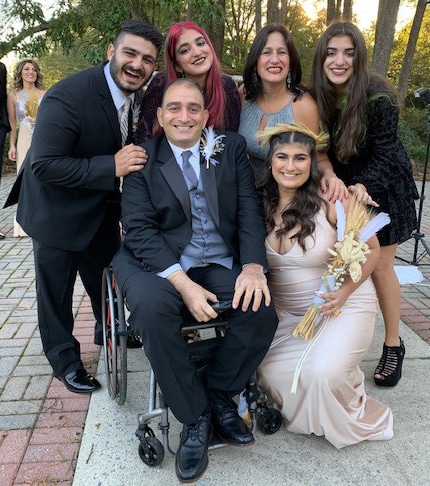
 Vincenzo (Enzo) Piscopo, United Spinal Association’s new president and CEO is a firm believer that provided with the right opportunities, wheelchair users and all people with disabilities will have a far-reaching impact on our society.
In his leadership role, Enzo intends to leverage the resilience, perseverance, and problem-solving skills of our community to advance the mission of United Spinal and empower those we serve.
Enzo shares his perspectives and vision for the future in a recent Q&A with United Spinal.
1. What was the most important lesson you learned during your 25 years working at the Coca-Cola Company?
There are many lessons, in general I learned the importance for any organization to have a true purpose and make all decisions anchored in the essence of the purpose. I also learned the importance of having a creative/innovative mindset in everything we do. Finally, I realized the importance of agility to effectively and efficiently move the business forward.
2. In your job at Coca-Cola, you dealt with diverse constituencies. What have you learned from being on the corporate “outside” looking at the nonprofits inside?
Non-profits need to be managed as if they were for-profit organizations. The non-profit denomination is for tax purposes. Non-profits need to be managed with profits in mind at all time, the only difference is that the profits are not distributed to stockholders but to the community we serve.
Also, Corporations expect the non-profits they support to have the highest standards of efficiency as well as social responsibility. Diversity and Inclusion are a must.
3. What attracted you to the CEO role at United Spinal?
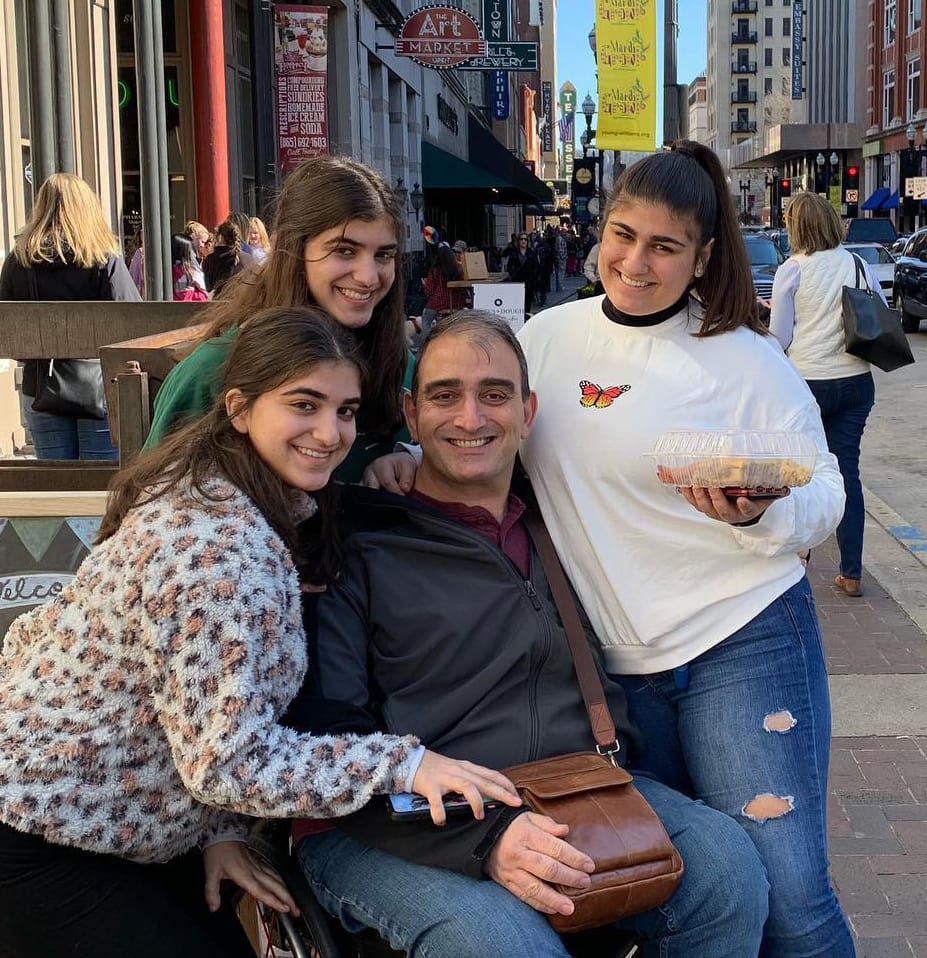 I have experienced firsthand the impact that United Spinal has in people like me, a wheelchair user. I was able to go back to work, sustain my family and add value to my community 4 months after my injury. I was able because United Spinal paved the way for people like me to be successful. Leading such a terrific organization, dedicating my skills to further United Spinal’s mission is incredibly rewarding. It is my way to pay it forward.
Also, I am a strong believer that the SCI community is the best kept secret: the audacity, perseverance, resilience, and creative problem skills of people with disability are very strong. We need to make sure corporate America and society as a whole, leverage us. By doing so, we all win: corporations, communities and people with disability. We have made great progress but there is still a long way to go. I want to be part of this movement. It is my passion.
4. What do you see as the biggest opportunities for United Spinal Association in the next 5 years?
The biggest opportunity for United Spinal lies in changing the narrative for people with disability. We do not need charity, we need opportunities. When we are given the same opportunities as able-bodies, we all win. Demonstrating this and encouraging organizations to seize this as an opportunity is a great opportunity for all.
In addition, United Spinal has a great growth opportunity, to help people more. I want to instill a strong growth mindset. A lot of my focus is to instill a culture that represents our community, where all is possible, the sky is the limit!
5. What are your priorities during your first few months as CEO?
Meet and build rapport with each member of our amazing team, the board of directors and our donors. Start laying my vision for the organization and identifying the path forward to ensure we get closer and closer to it. I am looking forward to work closely with the United Spinal Team to ensure we have a solid plan to take this organization to the next level and continue to expand the legacy that Jim has built.
6. What are some of the key values that you bring to the table?
Compassion, integrity, and transparency!
7. What was the inspiration for starting your own nonprofit Wheels of Happiness?
While I was at Shepherd, I met an Ugandan priest who had a SCI a year before I did and while I had the best care I could have ever imagined, Father Thomas had nothing. He spent his first year laying down in his bed. Thanks to the efforts of some Good Samaritans, he was able to travel to the US and come to Shepherd for rehabilitation. After several weeks of PT and OT at Shepherd, he was able to return to Uganda and reintegrate to society. I realized that the opportunity to come to shepherd completely changed his life outlook: from feeling useless and hopeless, to enjoying his life and most importantly serve his community. So many people around the world are not as fortunate as Father Thomas and I have been. Seeing his transformation and my need to pay it forward, were my inspirations to found Wheels of Happiness.
8. What were some of the biggest challenges you faced after you were injured in 2010?
Accessibility has been one of my biggest challenges. I travel around the world and unfortunately many places are not accessible. Even at home in the United States I have found accessibility challenges. Having to research and ensure that places I go are accessible took time to get used to.
But the biggest challenge I faced and had to overcome is the treatment we get due to stigmas around people with disability. I had to make sure from the beginning to demonstrate that my value had not diminished because of my inability to walk. Although this has been a challenge, I have learned to be above it and use each opportunity to educate.
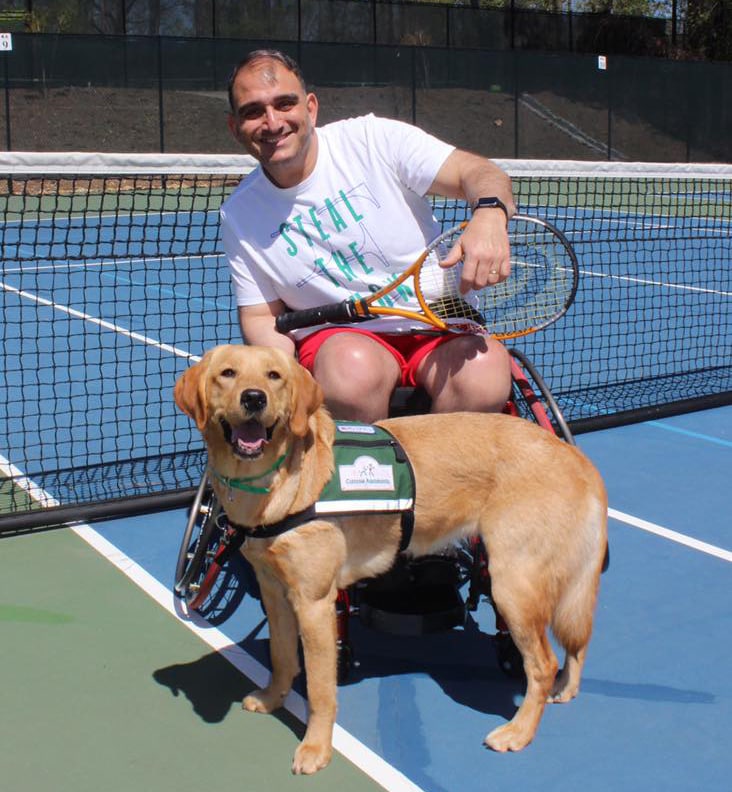 9. We hear you have a passion for wheelchair tennis, what got you started?
I have never been into sports. In fact, before my injury, I did not practice any sports. After I got injured, a combination of the encouragement I got from Shepherd and the high I get from overcoming challenges, made me not only enjoy tennis but love playing it….unfortunately I’m still terrible at it :(.
10. What do you like to do when you are not working?
I love playing tennis, reading Latin American literature, hanging out with my family and entertaining family and friends at my house.
11. Being born in Venezuela to Italian immigrants, how have your life experiences prepared you to address the needs our diverse membership community?
Being a son of immigrants and becoming an immigrant myself in this country made me accept, appreciate, and value people that are different from me. It also shaped my adaptability to different environments and the ability to create relationships with people of diverse backgrounds. Being an immigrant, son-of-immigrants have made me discover the power of differences to make our world a better one.