United Spinal Association is Celebrating Our 80th Anniversary
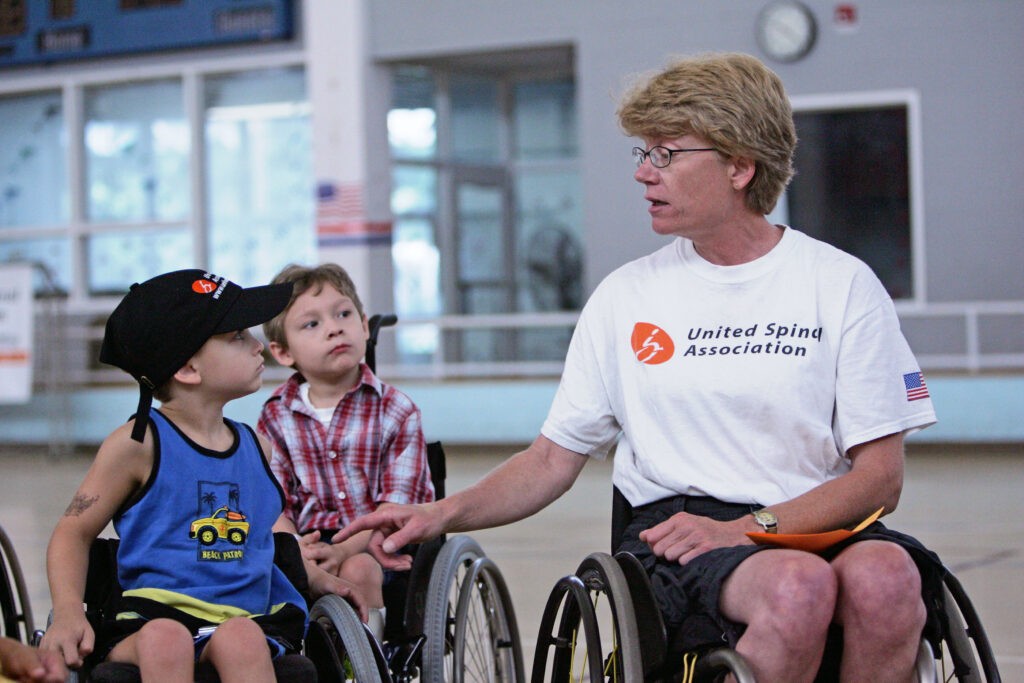
Our story began in 1946, when a group of paralyzed WWII veterans banded together to lead a charge for greater civil rights and independence. Our fight for the past 80 years has been to help our community thrive while making the world more accessible. Our future is our community’s future: We’re working to make healthcare, the built environment, technology and disability-specific knowledge and resources more accessible for everyone.
In honor of the next 80 years, we’re launching four initiatives to move our community forward.
Click on the title to learn more.
Transform Healthcare for Wheelchair Users
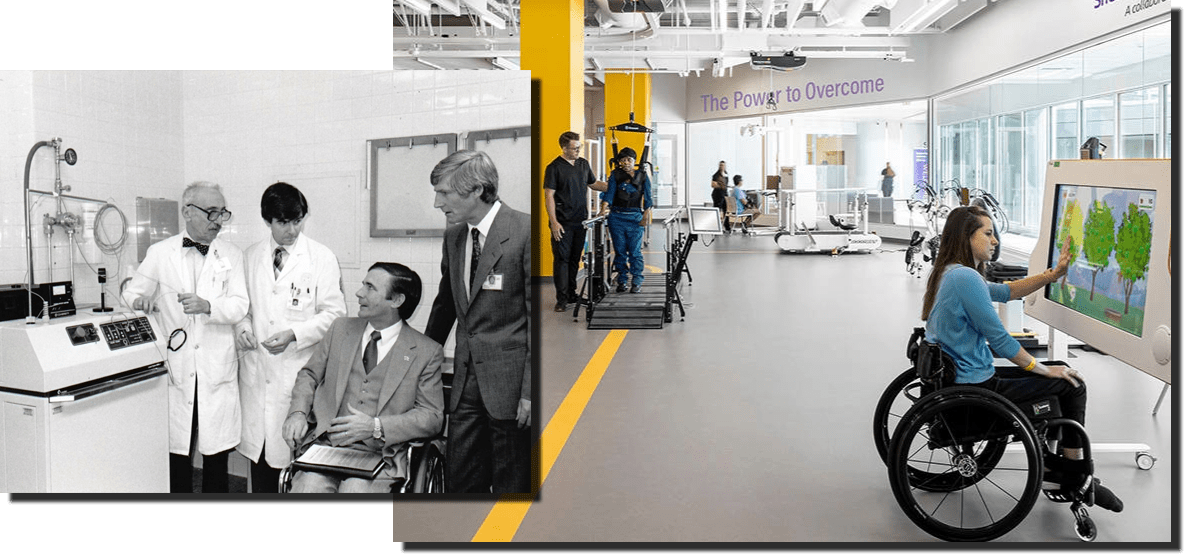
Since our founders began fighting for better conditions at VA hospitals, improving healthcare for wheelchair users has been central to United Spinal’s mission. Eighty years later, we hear similar stories from our members, over and over. “My doctor doesn’t understand spinal cord injury.” Or, “I don’t know the last time I was weighed. My clinic doesn’t have an accessible scale.” Research confirms the problem: inaccessibility and outdated attitudes about disability remain common among healthcare providers.
Our Health Equity Initiative is changing that. We’re partnering with universities to establish disability education standards for medical and dental schools and continuing education programs. Our Accessibility Services team is improving access at healthcare facilities, and we’ve created a toolkit empowering wheelchair users to advocate for better care in their communities.
Connect Newly Injured Wheelchair Users with Needed Resources
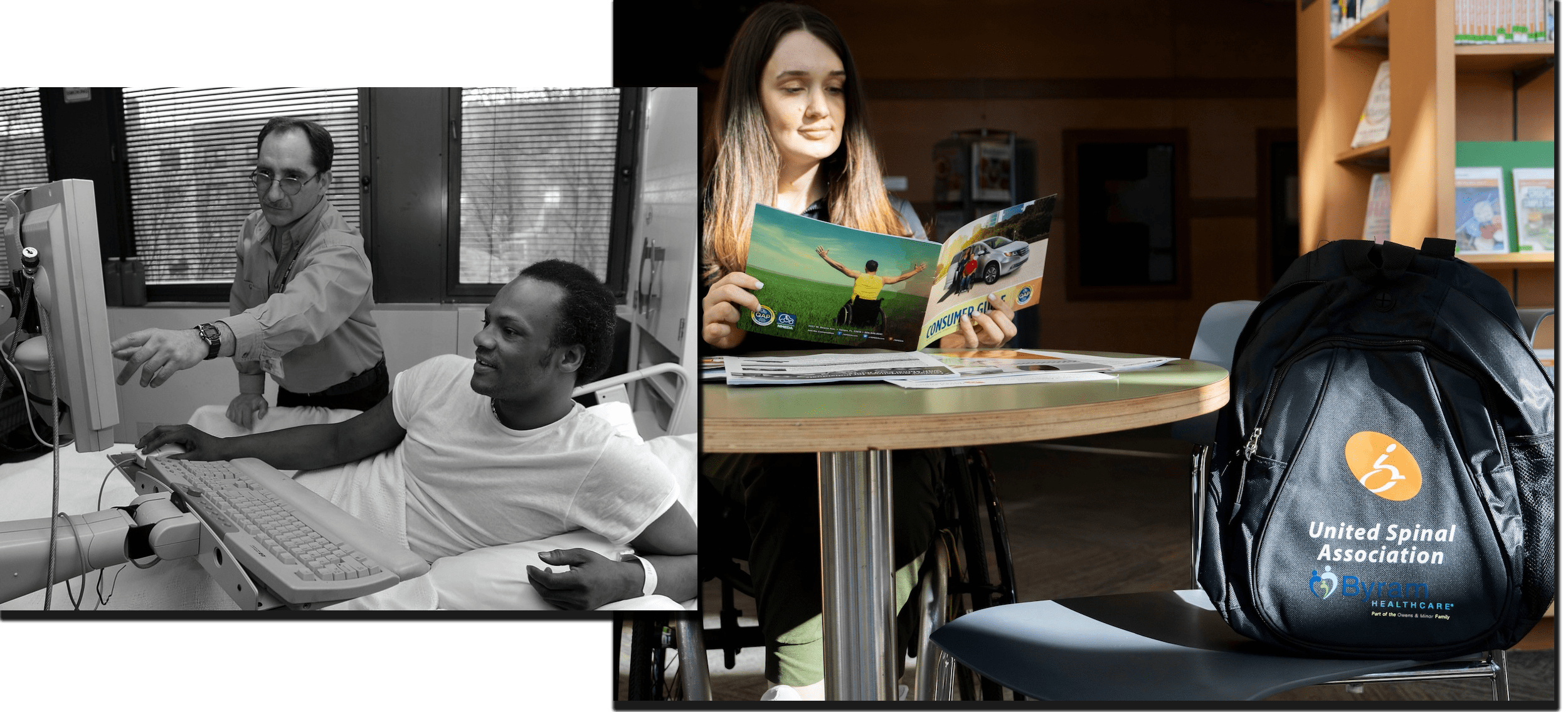
Rehabilitation stays after spinal cord injury have shrunk from an average of 110 days in the 1970s to just 37 days in the 2020s, significantly reducing the education people receive after life-changing injuries. Wheelchair users and their families often leave rehab lost, unaware of where to find help and vulnerable to secondary complications that can easily lead to rehospitalization.
Our New Beginnings Backpacks provide a foundation of resources that help someone new to disability gain the confidence and knowledge to transition from the supportive environment of rehab into the community. Demand for these backpacks is greater than ever. We’re looking for partners to help get New Beginnings Backpacks into the hands of 5,000 newly injured wheelchair users.
Make Accessibility Part of Good Design
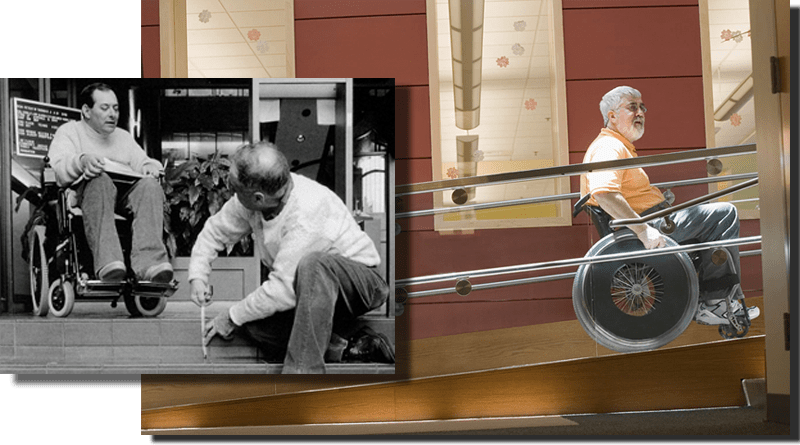
For decades, United Spinal’s Accessibility Services team has worked to make the built environment more accessible. Staff members helped craft the codes in New York’s Local Law 58, which required accessibility in public buildings years before the Americans with Disabilities Act. Our Accessibility services staff draws on its deep knowledge and experience updating accessibility codes — work that continues to this day — to help developers, architects, and construction managers make their buildings more accessible.
Now, we’re expanding our Accessibility Services operations. We’re working across the U.S. to make everything from stadiums to universities, zoos, museums, apartment buildings, and hotels more accessible, while training architects and builders to make accessibility an inherent part of good design.
Make Disability Awareness Part of Organizational Culture
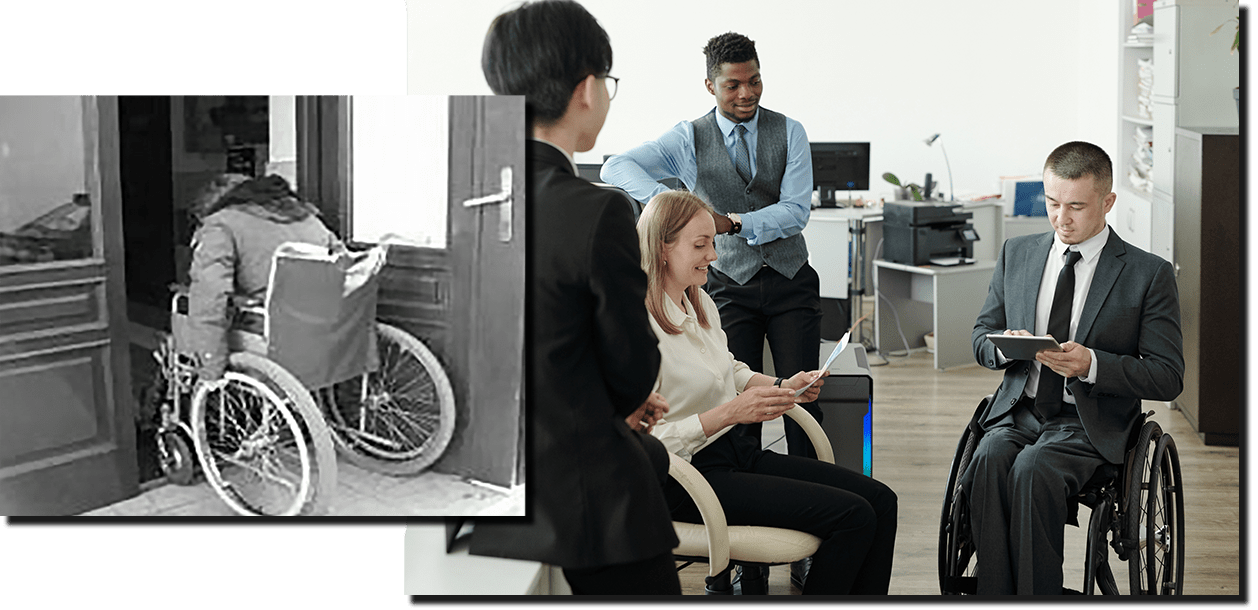
Unless you have personal experience with disability, it’s hard to understand the value, the needs and the challenges of the disability community. Most nondisabled people’s conception of disability come through media depictions that are through stereotypes and media depictions that are, at best, incomplete and often harmful.
Our Disability Awareness training provides organizations with a baseline understanding of the disability experience, focusing on common realities and personal experiences everyone can relate to. Corporations looking to bring an inclusive mindset to their culture, nonprofits that want to understand how disability intersects with their mission or universities that want to learn how to better serve their disabled students can all benefit from these tailored trainings informed by our decades of experience and 70,000-strong membership base.
Help Us Shape the Next 80 Years.
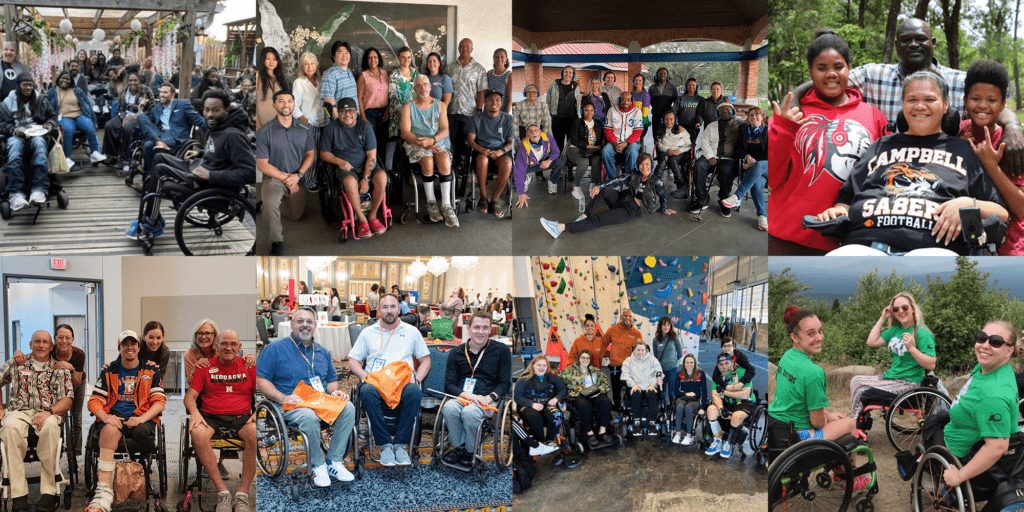
80 years has taught us there is power in numbers. When we fight for better access, better equipment, and better laws, we speak together. Join the 70,000+ members moving the world forward.
Honoring our past. Funding our future.
Give today to ensure our community has the resources it needs for the next 80 years.