
In the wake of new state laws allowing pregnant women to use accessible parking spaces, United Spinal’s Senior Director of Advocacy and Policy, Steve Lieberman, weighs in on the issue in this opinion piece featured on MS NOW.
This well-intentioned parking policy comes at the expense of disabled people

A well-meaning but problematic idea has been circulating in some statehouses across the country: making things easier for pregnant women by letting them park in accessible parking spots. Florida passed such a law this year, Ohio lawmakers are discussing a similar bill and The Washington Post reports that lawmakers in Arizona and South Carolina are among those expected to soon follow suit.
Florida’s law allows pregnant women to use accessible parking spots at any point during their pregnancy. Illinois passed a law in 2022 allowing women in the third trimester of pregnancy to use such spaces.
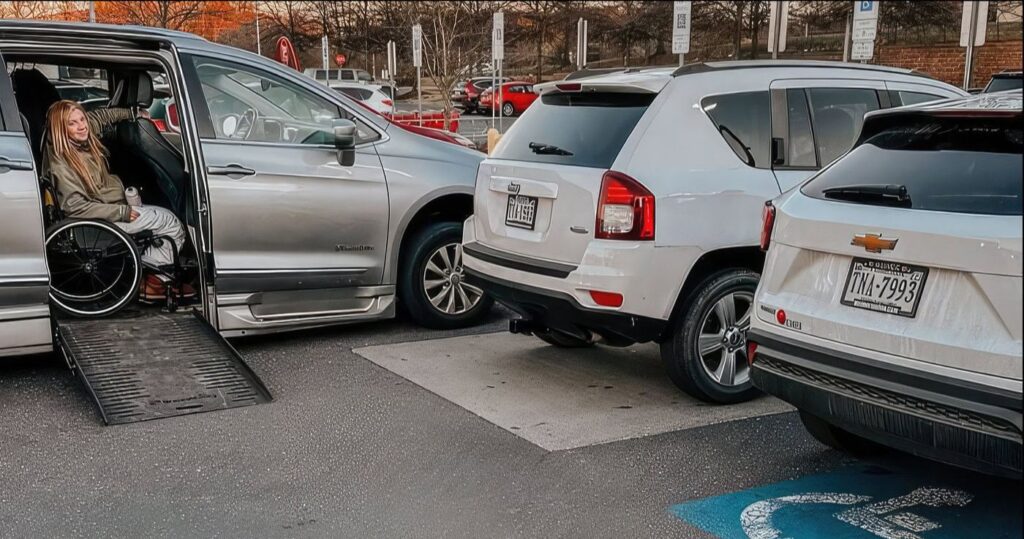
Nobody bothered to ask the people who depend on those spots how the change would affect them. If so, they’d have learned that there’s already a shortage of accessible parking across the country. That means letting pregnant women who aren’t disabled park in what’s already a limited number of spots would only make things worse for people who are disabled.
Accessible parking is not a convenience but a necessity for Americans with disabilities. It’s clear from Florida’s new law and the legislation and expected bills in other states that lawmakers and the public need to be reminded of that. A Florida resident filed suit in October claiming the new law is a violation of the Americans with Disabilities Act.
“Letting pregnant women who aren’t disabled park in what’s already a limited number of spots would only make things worse for people who are disabled.”
While certain complications of pregnancy, such as preeclampsia and gestational diabetes, are disabilities, pregnancy by itself is not, according to the Americans with Disabilities Act. Anyone who develops conditions during pregnancy that count as disabilities is already eligible, under the law, to obtain a temporary disabled placard.
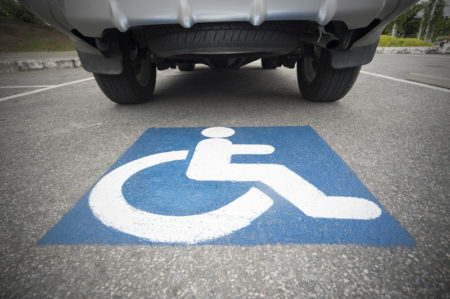
But a law that grants every pregnant woman — no matter how early or advanced the pregnancy — permission to accessible parking hurts the people who need those spaces.
I have no desire to make things hard for pregnant women. But making additional groups — ones that don’t meet the ADA definition of disability — eligible for accessible parking placards will only exacerbate a terrible situation. Creating separate parking spaces for expectant mothers — something many businesses already do — is fine, so long as those spots are not taken from existing accessible parking.
Wheelchair users have long experienced a crisis hiding in plain sight: an inability to find open accessible parking spots when they need them. For Americans who aren’t disabled, that might not sound like a crisis. But for wheelchair users, it can mean the difference between being active in their community and being isolated.
“Federal guidelines mandate that at least 2% to 4% of total parking spaces be accessible, but data from 20 states indicate nearly 10% of vehicles on the road have access to a disabled license plate or placard.”
I didn’t understand how fired up people could get about accessible parking until I became the advocacy director for United Spinal Association, a national nonprofit serving wheelchair users. When a discussion at one of our monthly advocacy meetings turned to accessible parking, it was like someone had opened the floodgates.
Here are some of the comments we heard: “People keep parking in the access aisles.” “I have to leave my house an hour early to try and find a parking spot, or I’ll miss my doctor’s appointment and have to pay a late fee.”
Read the full article, ‘This well-intentioned parking policy comes at the expense of disabled people,’ on ms.now.
You can get involved by joining United Spinal’s Accessible Parking Working Group.