
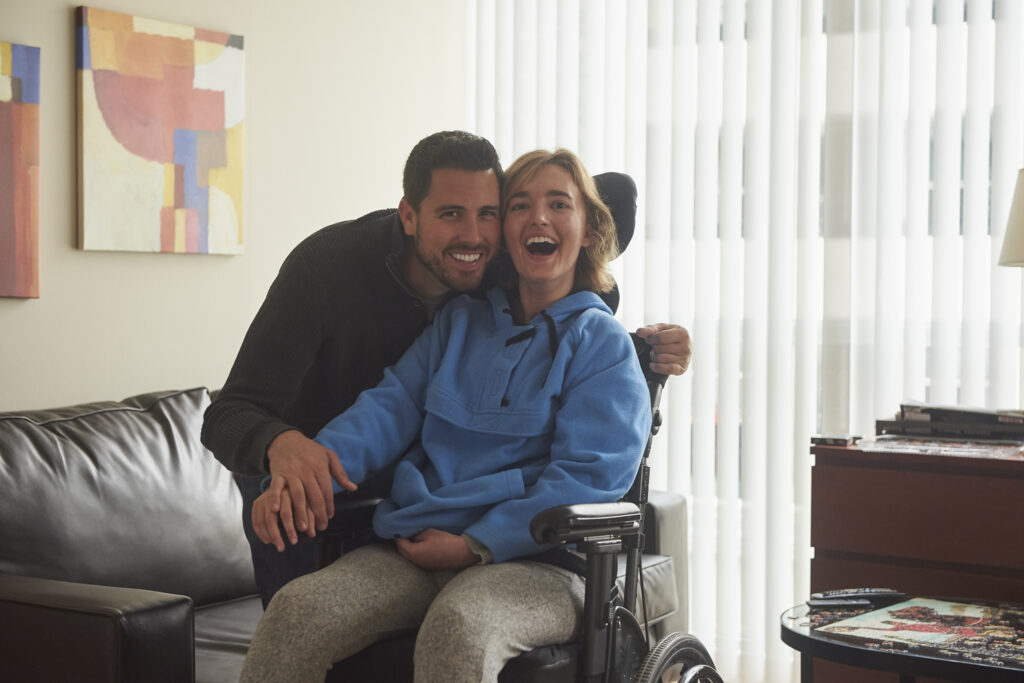
Home care is a service that allows people with disabilities and seniors who require assistance with personal care, household chores, meal preparation, money management or healthcare to remain in their homes. Here are suggestions from our Care Support Working Group members to develop best practices for caregivers and clients. We hope this helps us navigate our nation’s care support crisis.
Role and Outlook of Care Support
“Direct care worker” refers to personal care assistants, in-home care providers, home health agency caregivers, and certified nursing assistants. Their role is to provide services that promote independent living by helping individuals with disabilities or seniors. These services are directed by the individual with a disability and often allow people with disabilities and seniors to remain in their homes.
Services could include non-medical assistance with household and domestic chores, paramedical services, pet care, and social engagement. Additionally, caregivers may provide companionship, help facilitate participation in social activities, and support engagement in hobbies or interests like travel, gardening, or creative arts (e.g., crafting, painting, or drawing).
View this post on Instagram
The largest home care segment comprises caregivers or licensed or unlicensed non-medical personnel who help clients with daily tasks, including bathing, dressing, and eating. In 2023, approximately 1.4 million people in the United States were employed in home health care. According to the U.S. Bureau of Labor Statistics, the employment of home health and personal care aides is projected to grow 21 percent from 2023 to 2033.
Home care continues to face caregiver shortages, and demand for home care providers is on the rise. Due to the growing number of seniors and people with disabilities, 8.2 million jobs must be created before 2028 to match the demand for these home care services. The biggest challenges for home care providers are recruitment and retention of caregivers.
Many thanks to our Care Support Working Group member Connie Arnold for her help with this section on the role and outlook of care support.
Caregivers—Best Practices
Success as a caregiver requires a combination of factors centering around the best care for others and themselves. Developing and implementing best practices in communication, time management, self-care to avoid burnout, patience, and compassion are extremely important. Below are suggestions from United Spinal Association’s Care Support Working Group members and the 5 Best Practices of Highly Successful In-home Caregivers.
- Communication—Listening and presenting yourself openly and approachable is important for building trust and mutual respect with clients and their families. Communicating effectively can help provide support and a positive client experience.
- Be Organized—Organization helps caregivers balance their personal and professional lives, organize their supplies and equipment, and save time before, during, and after each client visit.
- Time Management—With an extensive to-do list, caregivers can avoid being overwhelmed by creating a schedule and maintaining a routine to help them complete everything that needs to be done for their clients.
- Embrace Documentation—Compared to a typical care setting, a bit more documentation is required, so it is important to keep up with this documentation and complete it accurately and efficiently.
- Flexibility—Not every visit is the same, and it is necessary to think quickly, adjust, and provide the required care despite any unexpected challenges.
- Patience—Maintaining your composure, showing empathy, and understanding your client’s emotions creates a better atmosphere and helps both the caregiver and client avoid feeling overwhelmed.
- Stay Alert—Home settings can sometimes be very distracting, so staying focused on the client’s care helps avoid mistakes and take in vital information from the client who may be signaling a potential change in their health or condition.
- Training and Support—Keeping up with training and education is essential for providing the best care for clients.
- Positive Attitude—Positivity is necessary each time a caregiver enters a home and learns to adjust to different atmospheres because positivity breeds positivity.
- Care for Your Car—This is how you get to your client, so maintaining vehicle maintenance is an extremely important part of being a home caregiver.
View this post on Instagram
Care Support Staff should always adhere to the highest professionalism and safety standards by upholding confidentiality and understanding their role in their client’s house. Home Health Aides (HHA) provide invaluable services, but there are specific tasks they need to be qualified to perform and understanding what you are not allowed to do is just as important as knowing what you can do as an HHA. The list below includes medical tasks that HHAs are not allowed to perform.
- Administering medication
- Giving medical advice
- Performing medical procedures
- Medical assessments
- Nursing care
- Providing medical assistance
- Household duties
- Physical therapy
HHAs are crucial when providing care and support, and their responsibilities can vary based on the client’s specific needs. Some of the essential duties that HHAs can perform include:
- Personal care assistance
- Meal preparation and feeding
- Medication reminders
- Health monitoring
- Mobility assistance
- Light housekeeping and maintenance
- Emotional support
- Transportation and errands
- Communication and reporting
- Adherence to Care Plans
Clients—Best Practices
Having a process and a plan is integral to finding, hiring, managing, and retaining in-home caregivers. These best practices are meant to help those who need in-home care support prepare for finding the specific care they need. Below are suggestions from 10 Essential Tips for Choosing a Reliable Home Health Caregiver and the Care Support Working Group members.
- Assess your needs—Before even beginning a search for caregivers, assess your specific needs, such as medical requirements, level of mobility, personal care needs, and any specialized assistance you may need.
- Seek recommendations—Recommendations from friends, family, healthcare providers, or other clients who receive care at home are usually reliable sources for finding quality caregivers.
- Verify credentials and experience—It is important to find licensed, certified, and trained caregivers, and it is even more important to verify the credentials and experience of any potential caregivers. Ask for references and their experience working with people with similar needs.
- Conduct interviews—Be prepared to conduct interviews by having a list of questions about the potential caregiver’s approach to caregiving, availability, and emergency procedures. Interview multiple caregivers and pay attention to how they respond and how willing they are to accommodate your needs.
- Remember cultural and language preferences—Communication is a critical part of caregiving for both parties. Find caregivers who can accommodate cultural and language preferences.
- Evaluate reliability and dependability—Your caregivers must understand the importance of being on time, responsible, and consistent.
- Assess compatibility and personal connection—Look for caregivers with whom you feel a genuine connection. The relationship between the caregiver and client should be built on trust, respect, and empathy.
- Discuss care plan and expectations—Create a comprehensive care plan that outlines your expectations and specific care needs.
- Conduct background checks—Always verify the potential caregiver’s credentials, employment history, and certifications or licenses. Criminal background checks should also be considered.
- Establish boundaries—Boundaries must be set to maintain a professional relationship with caregivers. Without boundaries, there is a potential for conflicts of interest, safety, and even abuse.
- Maintain a professional relationship—Creating and maintaining a professional relationship with your caregivers helps ensure that the care you request is the care you will receive. Being informed of the professional boundaries and what activities are permitted and not permitted can help reduce complications with your caregiver and the care you receive.
- Trust your gut—Listen to your intuition. If working with a specific caregiver does not feel right, you can continue looking for a better match. Compatibility is extremely important!
According to Home Care Trends—Seizing Home Care Growth Opportunities in 2023, the demand for care services in the home continues to show sharp and steady growth. As of 2023, there are 426,820 home care provider businesses in the US—125,000 more than just a decade ago. This year’s figure is an increase of 2.3% from 2022. To fill the expected need for in-home care for older people and other populations, such as the disability community, the caregiving workforce must add 8.2 million new jobs by 2028 while also battling a turnover rate of around 64%.
If you are receiving care through a Home Health Agency, it is also recommended in 10 Tips to Manage In Home Caregivers to consider the following if you find an agency that potentially could be a good fit:
- Speak with the owner or caregiver supervisor
- Ask about the company (how long they have been in business, privately owned or a national franchise)
- Ask for a list of professional boundaries for interactions with caregivers
- Confirm the primary point of contact
- Inquire about the process for finding caregivers who might be a good match
- Ask for background information about the caregiver selected for you
- Be specific with the agency about other qualifications (non-smoker)
- Ask about training and your desired skills
- Ask about the in-home caregiver turnover
- Does the agency take responsibility for training the replacement caregiver? Does the responsibility of training fall on the client or family caregivers?
- No call—No show policy?
Many different aspects come into play to improve the current care support crisis. To be successful, it is crucial to remember that we cannot do it alone, and these best practices are a great starting point for both caregivers and clients. For more information on care support, the Care Support Working Group members have created these other helpful resources.
Additional Resources
Online
U.S. Bureau of Labor Statistics
5 Best Practices of Highly Successful In-home Caregivers
Home Care Trends—Seizing Home Care Growth Opportunities in 2023
Top 10 Tips for Home Health Care Professionals
10 Tips to Manage In Home Caregivers
United Spinal Association:
United Spinal Association Care Support Resources
United Spinal Association Care Support Policy Webpage
Collaborate with advocates from across the United States to identify policy and advocacy initiatives to improve care support services for people with diverse disabilities, you can join the United Spinal Association Care Support Working Group. The disability community and our caregivers need your help to solve this national crisis.