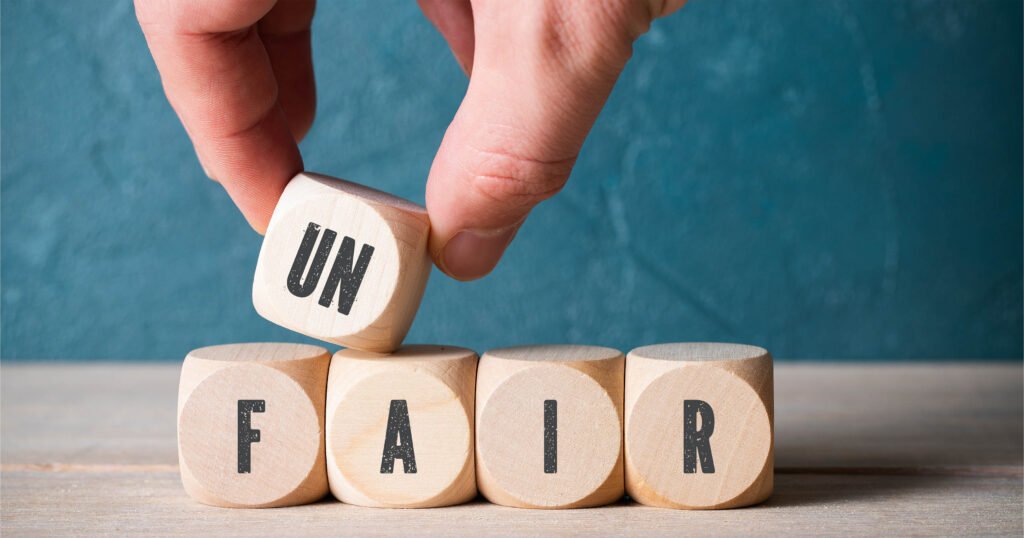
- People with disabilities and all members of marginalized communities are more vulnerable to economic instability.
- Corporate diversity, equity, and inclusion programs could address this, but they are being hollowed out in this economic downturn.
- Is corporate America’s commitment to DEI meaningful or just a fad?
Market volatility, loss of revenues, and higher interest rates have spurred layoffs on a scale not seen for quite some time.
Thousands of American workers scramble to locate new jobs amid a still-rising cost of living. And employees with disabilities are more sharply affected than their nondisabled counterparts.
Many of the lost jobs are in the technology sector. With its embrace of remote work and futuristic and progressive bent, the tech world seems like a natural home for people who have traditionally suffered the costs of social marginalization in the labor market. Yet, people from oppressed groups are overrepresented in this recent spate of cuts.
The movement for racial justice that enjoyed a dramatic upsurge in mobilization, attention, and public sympathy in 2020 challenged companies to do the right thing and rectify corporate practices owed to centuries of structural discrimination. Now, it seems that the breakthroughs of 2020 — and their productive afterlife — have sadly ended up in the rearview for many corporate officials balancing their books.
Not only are women, people of color, people with disabilities and LGBTQ people more vulnerable to economic instability, but they are losing their champions in corporate headquarters by the dozen. DEI staff are being laid off in droves. And as Bloomberg has revealed, companies are not replacing them.
Industry insiders and random observers alike watched in awe and horror as Elon Musk made dramatic cuts to Twitter staff after assuming company leadership. He decimated the DEI department. Bloomberg reports that what was once a team of 30 people is now down to a skeleton crew of two. Musk’s moves were openly rebuked by many. Still, I worry they provided a Get Out of Jail Free card for skeptics and “silent majority” types who reckon that DEI is optional or even unnecessary.
DEI has always been undervalued
Let’s take a longer view of this for a moment. Part of the issue is that corporate DEI has always been on shaky ground. Even before 2020, DEI staff have had to deal with a revolving door of officers at many major institutions.
Chief Diversity Officers have among the briefest tenures of leaders in the C-Suite. Fortune notes, “Nearly 60% of CDOs who held their roles in 2018 have since vacated their positions. … And most of them have left the CDO track altogether.”
How can leaders in the field develop when the people at the top don’t even stick around? This instability affects the ability of committed workers to develop their strategic and programmatic abilities — and assuredly, their morale and long-term level of commitment.
Without leaders, how can DEI teams convincingly ask for adequate staffing, funding, and cross-teams support? This is suboptimal and sets those teams up for failure. Also, it is a disservice to employees who are not straight, white, nondisabled men. One thing that resonated with me in reading reports about the recent cuts to DEI staff is the disappointment of employees from minority backgrounds. They were promised a certain level of support only to see it rapidly being taken away.
Dismantle barriers, don’t build them
To be sure, the disability community has accomplished many political and social milestones thanks to our own organizations. However, gaining intermediaries in DEI to be our employment advocates and then rapidly losing them reinforces the obstacles we were working together to remove. It could create new ones in workplaces that were previously making big moves toward authentic inclusion.
We are one of the most disadvantaged groups of people when it comes to labor market representation. And yet, we have so much to offer. Having staff with expertise in accessibility and disability representation issues and cultural competency with people with disabilities isn’t just the right thing to do. It’s the smart thing to do. It helps you tap into an unsung talent pool and be on the vanguard of righting historical wrongs.
The health of your DEI programs and teams shows how meaningful corporate social responsibility is for your company — or if it is merely another box to check off.