
This is the first part of a three-part series featuring 10 individuals’ insights on living with a disability or an illness. Be sure to check out Part 2 and Part 3 of the series.
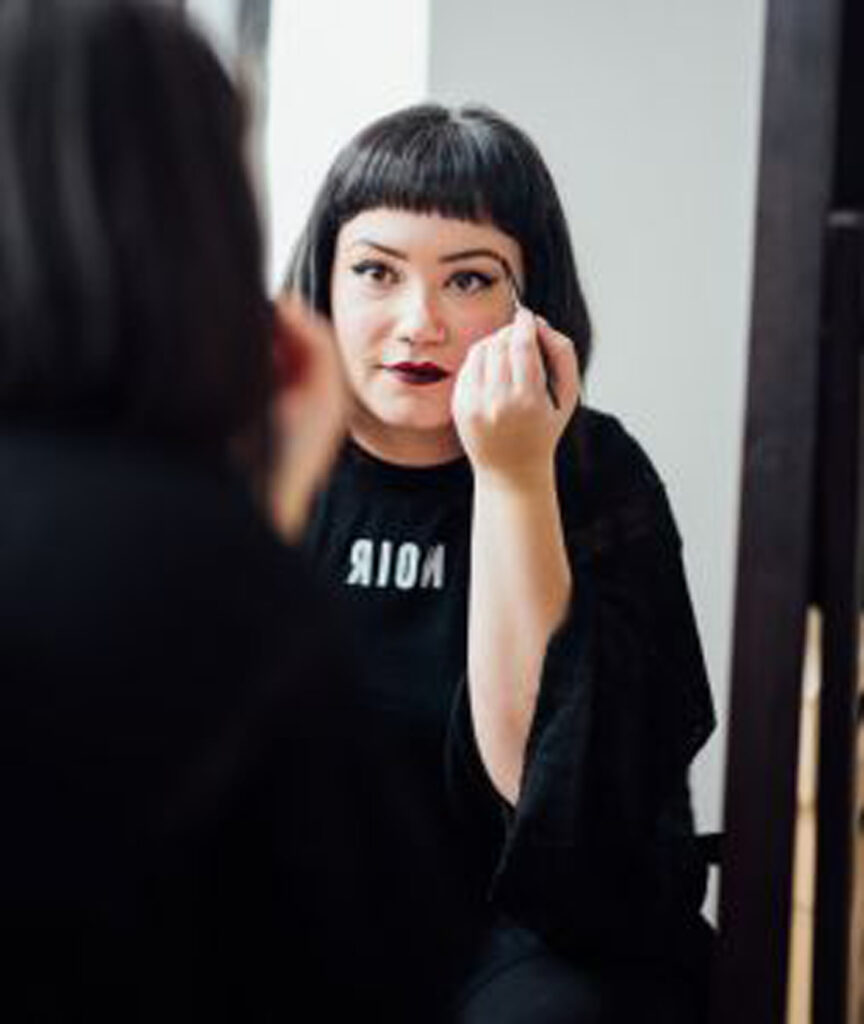
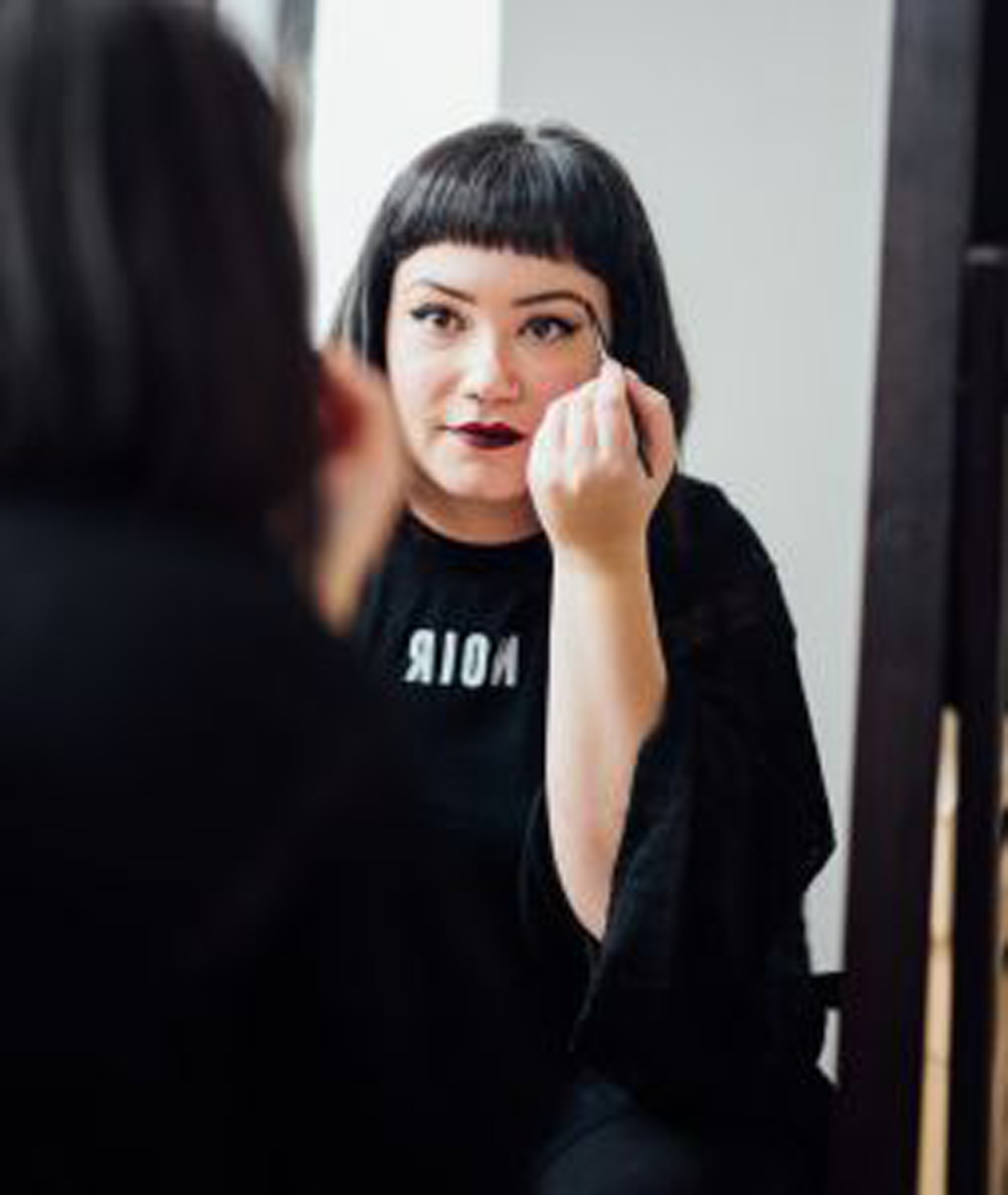
Amanda has a hearing impairment, and is unable to hear in one ear.
She had her first hearing aid when she was 21 years old, and at 28, she got a cochlear implant.
Being able to hear was unlike her initial expectations. Her experience mirrored YouTube videos she had watched, where sound was immediately turned on. But she eventually realized that it is not that simple; that hearing is a learning process. She is still identifying and exploring different sounds, and her brain is still adjusting to processing these sounds.
Recalling the period prior to using hearing aids, Amanda admits to being reserved and quiet because she could not hear people talking to hear. Makeup was, and still is, an alternative outlet for her to express herself. “Except now, I don’t stop talking,” she says.
When Jenice was 10, she was diagnosed with Crohn’s disease
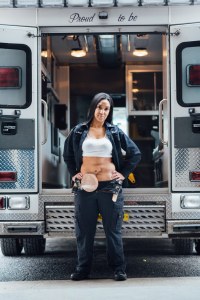
Having Crohn’s disease influenced her decision to enter the medical industry. After surviving a series of surgeries and complications from her disease, Jenice knew that the field of healthcare services was what she wanted to do.
Jenice is a dedicated medical practitioner. She currently holds several positions such as EMT, medical assistant, and certified nurse assistant, and hopes to pursue a future medical career in gastroenterology. She is driven to give back to society with the experiences and medical skills she has.
“I know better than anyone how it feels to be a patient, and if my experiences can help others, then I believe that’s my purpose in life. That’s the reason I was given what I was given.”
Jenice has an ostomy and wears a pouch under her clothes. Still, her love for fashion shines through, as she continues dressing up in her favorite styles and outfits. Jenice also wants to be an example for other young people who have Crohn’s disease, too. Many a time ostomy is associated with elderly white people in public resources. This may cause young people and/or minorities to feel increasingly disheartened. Jenice hopes to spread support and to let them know that they are not alone. “That’s why I always try to represent,” she says.
Steve is a 25-year-old who has muscular dystrophy.
Steve has encountered people’s assumptions that he does not go out or do anything. But that is simply not the case. The only difference is that it takes him extra effort in determining whether a place is accessible to him. He also has several jobs, such as a substitute teacher, stand-up comedian, actor, and motivational speaker. His disability may have impacted the way he moves, but it does not limit other possibilities he can achieve in his life.
“I’m still a regular guy, and I’m going to live my life how I want and not let my disability get in the way.”
Steve feels a personal connection to the Peoples Improv Theatre, where he does improvisation shows. It is a place that makes him happy, and gives him the opportunity to spread this joy and laughter to others as well. “It gives me the opportunity to be myself and make other people laugh, which gives me so much satisfaction and feels so rewarding. I’ve fought every step — I mean, roll — of the way, and I’m having an incredible ride.”