Life in a wheelchair can be costly, and unexpected expenses are even more unpleasant when you are already haggling with Medicare and Medicaid and trying to keep on top of all the day-to-day costs associated with life after spinal cord injury or . To help alleviate some of that hassle, the Connecticut Chapter of United Spinal Association offers $500 Quality of Life grants to help members find the extra bucks to pay for wheelchair repairs, home modifications, vehicle accommodations, or almost anything SCI/D related.
“It’s not a huge amount of money,” says Bill Mancini, the president of the Connecticut chapter, “but at least it can get people out of a hole.”
Mancini says the number of grants varies with demand, but that some months the chapter will award five or more recipients. That adds up quickly. Luckily, the chapter has gotten pretty good at raising money in the 43 years since it was founded in 1973.
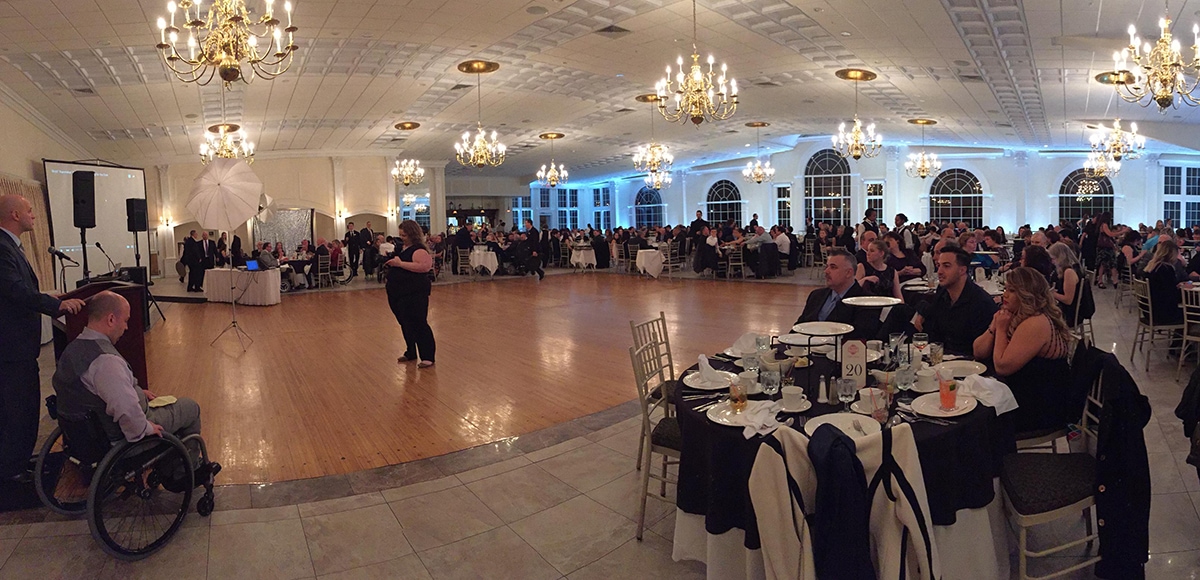
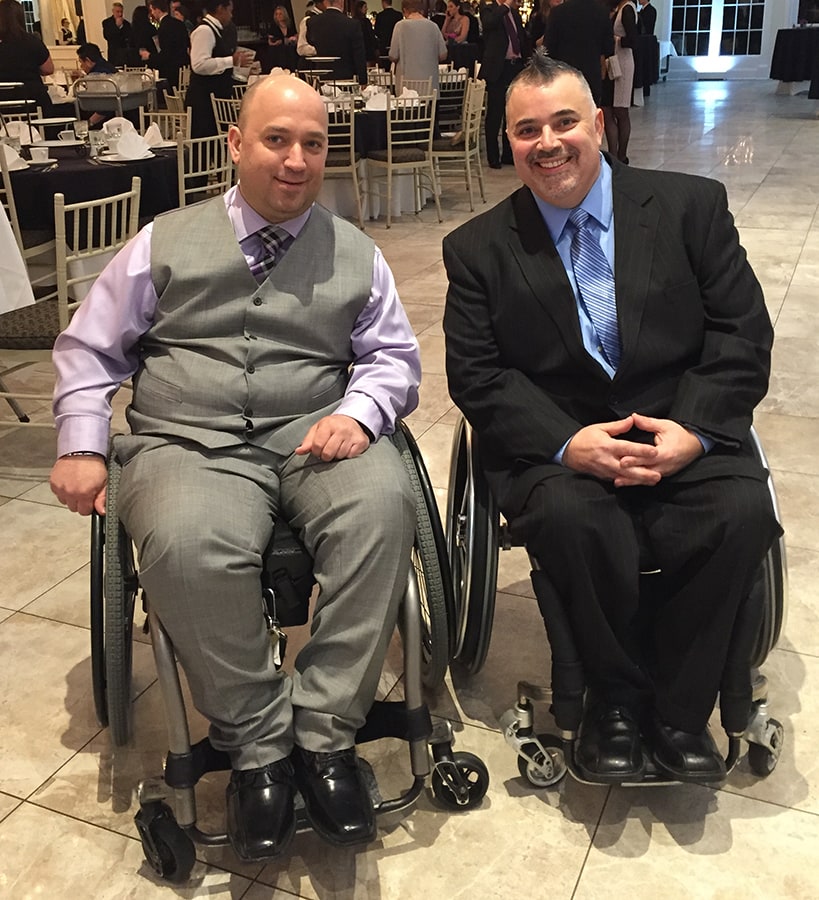
The chapter’s largest fundraiser is its annual Twilight Gala, a formal dinner, dance and auction, now in its seventh year. This year’s gala was March 12 at the Aqua Turf Club in Plantsville, Connecticut. Over 300 attendees showed up and helped raise over $30,000 to support the chapter. Boyd Melson, a professional boxer who donates all the profits from his matches to SCI research, gave a keynote address and attendees enjoyed a lively auction.
“This year’s event was very successful and hopefully we’ll continue building on that success,” says Mancini.
The funds raised will go to support the Quality of Life grants and the many other programs the chapter offers, including its three monthly support groups, its peer mentoring program, its Think First Prevention program and adaptive sports offerings like rowing. The chapter also raises funds with an annual Walk & Roll at Quinnipiac University in Hamden, Connecticut.
Mancini says the chapter embraces a true grass roots work ethic when it comes to fundraising, even rolling door-to-door to find the funds needed to sustain its programs. Before the balloons from the Twilight Gala had come down, the chapter had already prepared the forms to court sponsors for next year’s event. “We’re a small state and we’re limited to the number of groups we can get to, but we don’t use that as an excuse,” he says. “We want to expand our programs and see if we can offer bigger grants, and to do that we know we need more money.”